

Are We Human? Why The Killers and the Enhanced Games Make An Unseemly Match
The Killers’ decision to headline the Enhanced Games closing ceremony is a grubby example of music-washing and should be condemned as such.
This weekend, a prominent sporting spectacle is set to take place against a backdrop of unprecedented controversy. For the victors, untold riches await. The losers, meanwhile, will shuffle off into the night with their reputations in tatters.
And no, I’m not talking about the EFL Championship Play-Off Final—although I wish I was. On Sunday, the highly publicised Enhanced Games rolls into Las Vegas, promising its own brand of drama, shock, and awe.
The Enhanced Games is a curious proposition. It’s essentially a glitzy reimagining of 1980s East German athletics: give some athletes access to all of the drugs and see what happens. Of course, we know what happens: faster times, heavier lifts, and guaranteed headlines. The inaugural games will take place at Las Vegas’ 2,500-capacity Resorts World, where 42 enhanced athletes will compete for huge financial prizes—a necessary temptation to lure relevant names like American sprinter Fred Kerley and British swimmer Ben Proud to the dark side. Event winners will pocket a cool $250,000. And if they break a world record, they will receive much more, even though their achievement won’t be officially recognised.
But contrary to the organisers' assertions, taking performance-enhancing drugs—even under close medical supervision—is not without its risks. Witold Banka, the head of the World Anti-Doping Agency (WADA), has branded the event “irresponsible” and “dangerous.” There are innumerable studies highlighting the dangers of performance-enhancing drugs such as anabolic steroids, human growth hormone, and erythropoietin (EPO). A recent paper in Sports Medicine - Open argued that “[The Enhanced Games] presents plausible and non-negligible [cardiovascular] risks and should be approached with appropriate scientific distance and caution.”
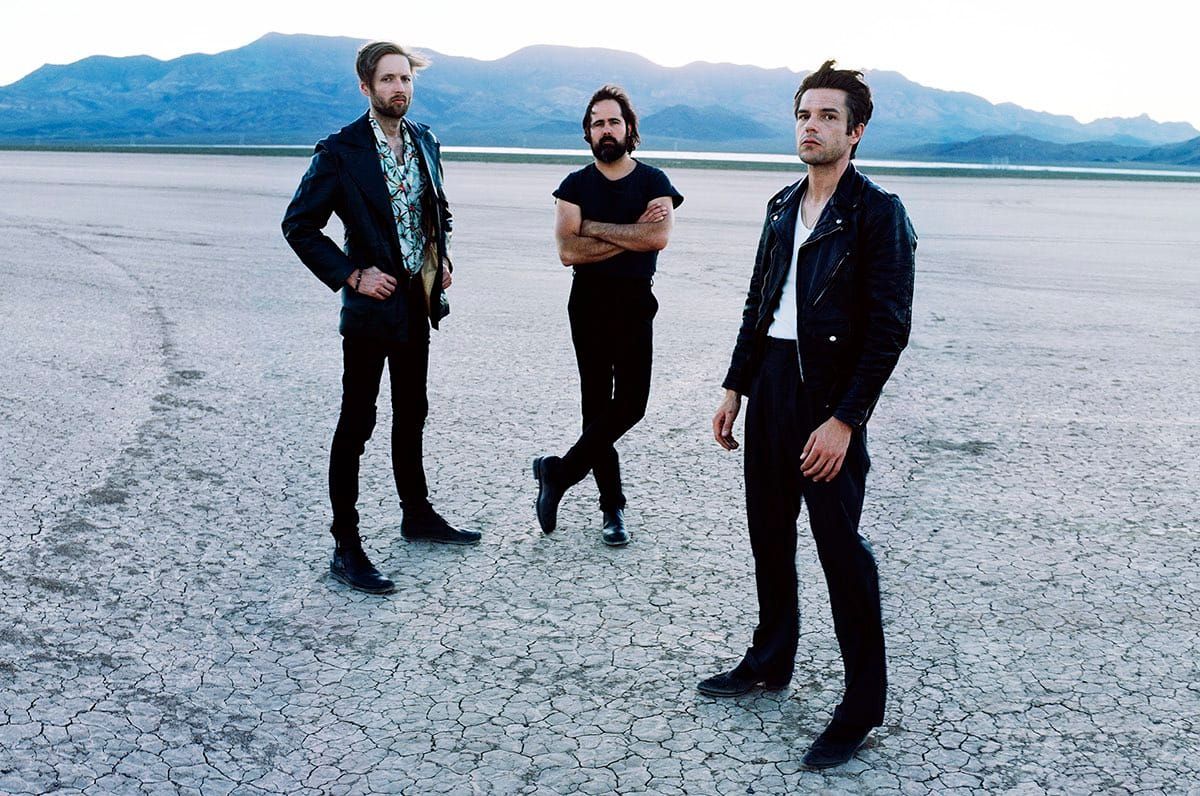
Sadly, distance and caution are concepts that Las Vegas’ The Killers have evidently not considered when agreeing to headline the event’s closing ceremony. While I’m sure they are being well rewarded for this participation, associations such as these are priceless for organisers. They dissipate controversy and add legitimacy. If a household name like The Killers is on board, can it really be considered “dangerous” and “irresponsible”?
Of course, the answer is that it changes absolutely nothing about the underlying risks. But this is a transaction that surely harms The Killers’ reputation. Sport is often the benign vehicle used by unsavoury organisations or regimes to sanitise their reputations, a process commonly referred to as sport-washing. Here, the sport itself is the issue, and music the detergent: it is music-washing.
Any attempt to normalise the use of performance-enhancing drugs should be roundly condemned. While many professional and recreational athletes undoubtedly use these drugs, illegally sourced and medically unsupported in most cases, that doesn’t mean the Enhanced Games’ approach is safe. Safer, perhaps, but not safe.
The fact that The Killers are willing to associate themselves with such a farce should also be criticised. Yes, it’s a big hometown show, and yes, it will be a lucrative booking, but they have to recognise that they are being paid as much to legitimise the Enhanced Games as they are to perform “Mr Brightside.” Many artists might struggle to balance this ethical dilemma versus the opportunity to secure valuable income, but The Killers are surely one of a handful of active rock bands who really don’t need this heavily enhanced dollar. Regardless of what you think of their music and its legacy, the band’s poor judgement and the message their participation sends is profoundly disappointing.
No Ripcord has published independent music criticism since 1999.
Support our work with a $20 annual subscription.

Comments ()