

Interpol – Interpol
Interpol’s self-titled fourth album is a bleak portrait of a band in transition.
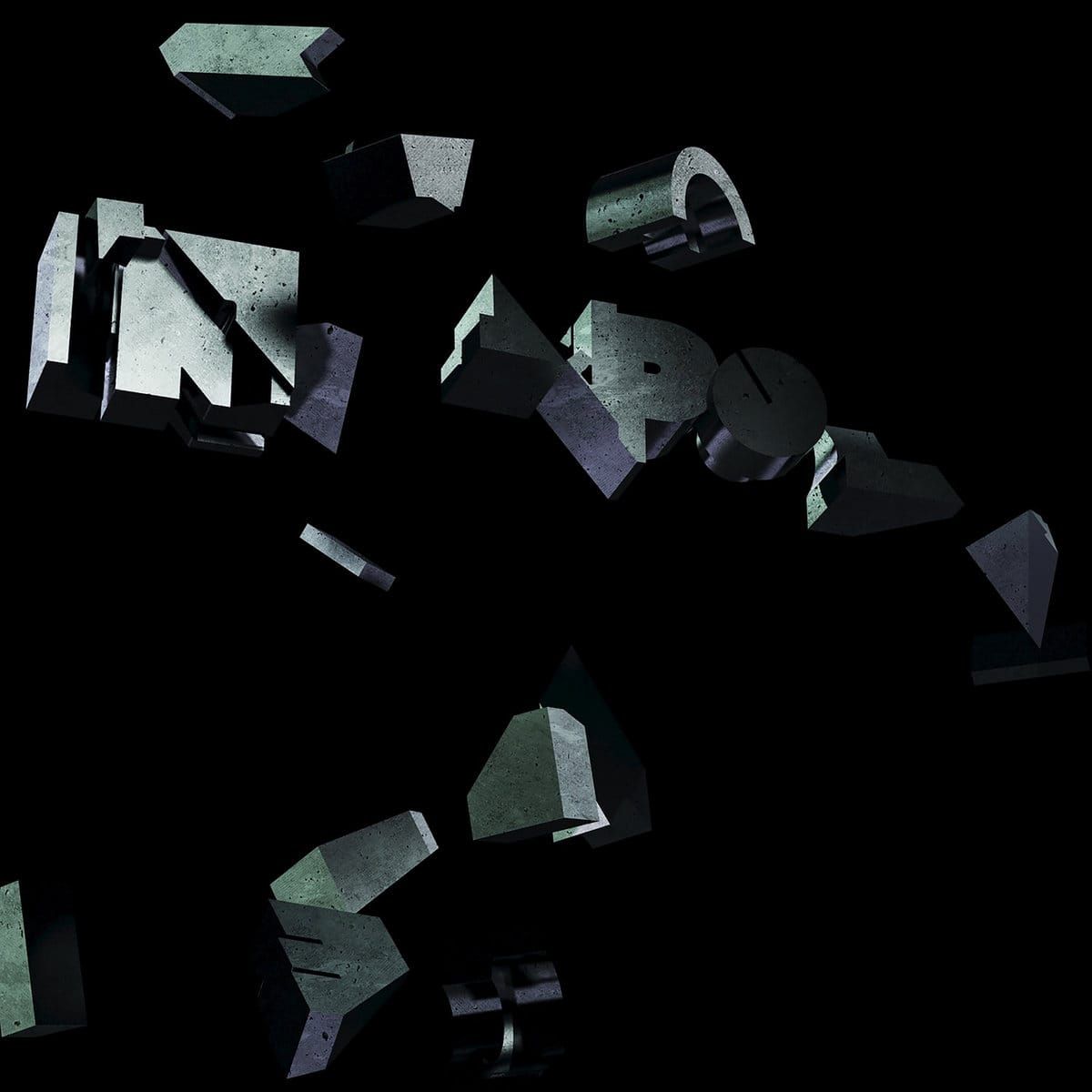
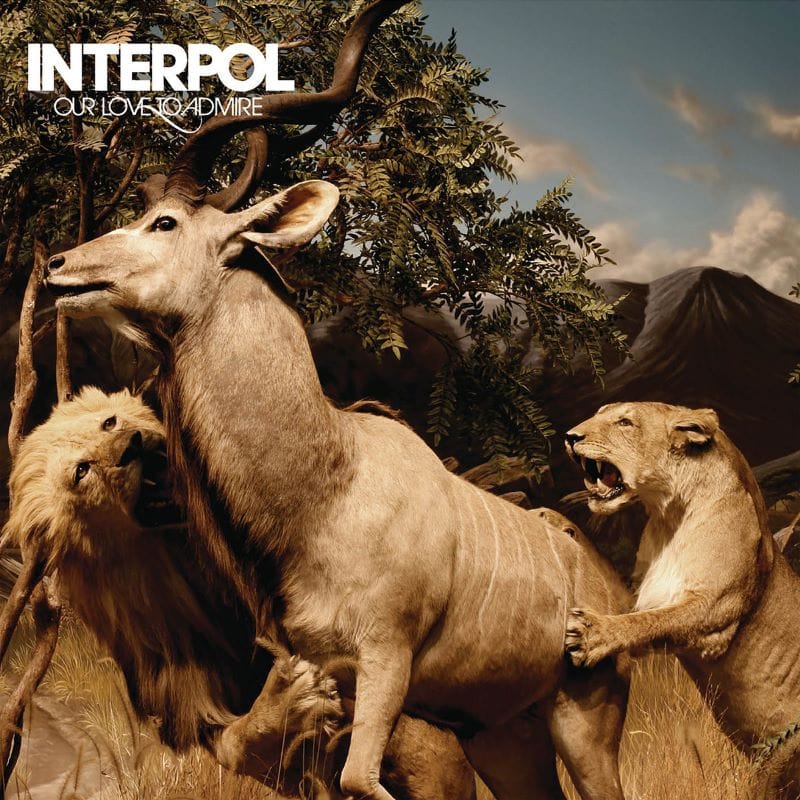
It almost makes sense that Interpol have released the most polarising record of 2010; it seems sometimes that nobody’s really agreed on them from the start. Turn on the Bright Lights gleamed at first, was beaten back under the attack of Joy Division comparisons and adolescence qualms, but held its head high during end-of-year/decade list seasons. Antics barreled through our speakers head first, once again turning heads and convincing a few misguided folks to say horribly reductive things like “America’s Radiohead,” and then Our Love to Admire arrived and, with a few exceptions, the band was beaten back on a critical level, but it also saw the best chartings of Interpol’s then middle-aged career.
And now, three years later, we have a self-titled record that’s even more morose, bile-spitting, disillusioned, and tired-as-hell than ever from a band that’s made their bread and butter on being morose, bile-spewing, disillusioned and tired-as-hell. How does a band four records deep make something like that? It must have something to do with their relatively newfound commercial draw; the first track is called “Success” and it’s not exactly a celebratory anthem. “Somebody make me say no, no, no,” drawls a nasally Paul Banks. “I’ve got two secrets but I only told you one,” he continues, it’s hard to think the band is this down after this long.
All that malaise is not entirely unfounded, after all the band just lost founder Carlos D—and any time a bona fide biological component of your group is suddenly absent it always points to some level of unrest. But this record points to a different sort of conflict; middle-track “Barricade” is all high-school breakup lyrically: “it starts to feel like a barricade, a barricade, to keep us away.” “Memory Serves” is one of the most sombre instrumentals Interpol has ever penned, a slow-stepping downpour of blackened guitar texture—there’s something else going on inside of Interpol besides band drama. While not as good as Turn on the Bright Lights or Antics, Interpol is a work of emotional damage equal or greater to both of those albums. This is probably why its cover is self-titled and so deconstructed: the band sounds absolutely exhausted.
When the pre-release single “Lights” first made it onto our computers, I think most of us were worried. Here was a slow-burning, empty-shell of a song accompanied by an equally austere video. It was such an odd choice for a comeback track, but now in retrospect, it symbolises exactly what the record is all about: worked over, antagonistically resigned, almost passive-aggressive in its demeanor. And more importantly, when “Lights” comes in four songs deep, it sounds precisely in place, working as a key cog in a bigger machine. So I guess I’m the contrarian here, but I think Interpol deserve a significant amount of respect for taking the risk and mustering the sheer talent to create something so deeply submerged in melancholia you can’t even see light.
Interpol was released on 7 September 2010 via Matador.

Related Articles
 David Coleman
 No Ripcord
 Juan Edgardo Rodríguez
 David Coleman
No Ripcord reviews will always be free to read. If you value independent music criticism, you can support the site with a $20 annual subscription.

Comments ()