

Nothing – A Short History of Decay
With their first new release since 2020, the Philly shoegazers are returning to a scene that has exploded in their absence. But is there still a place for Nothing’s heavy take on the genre?
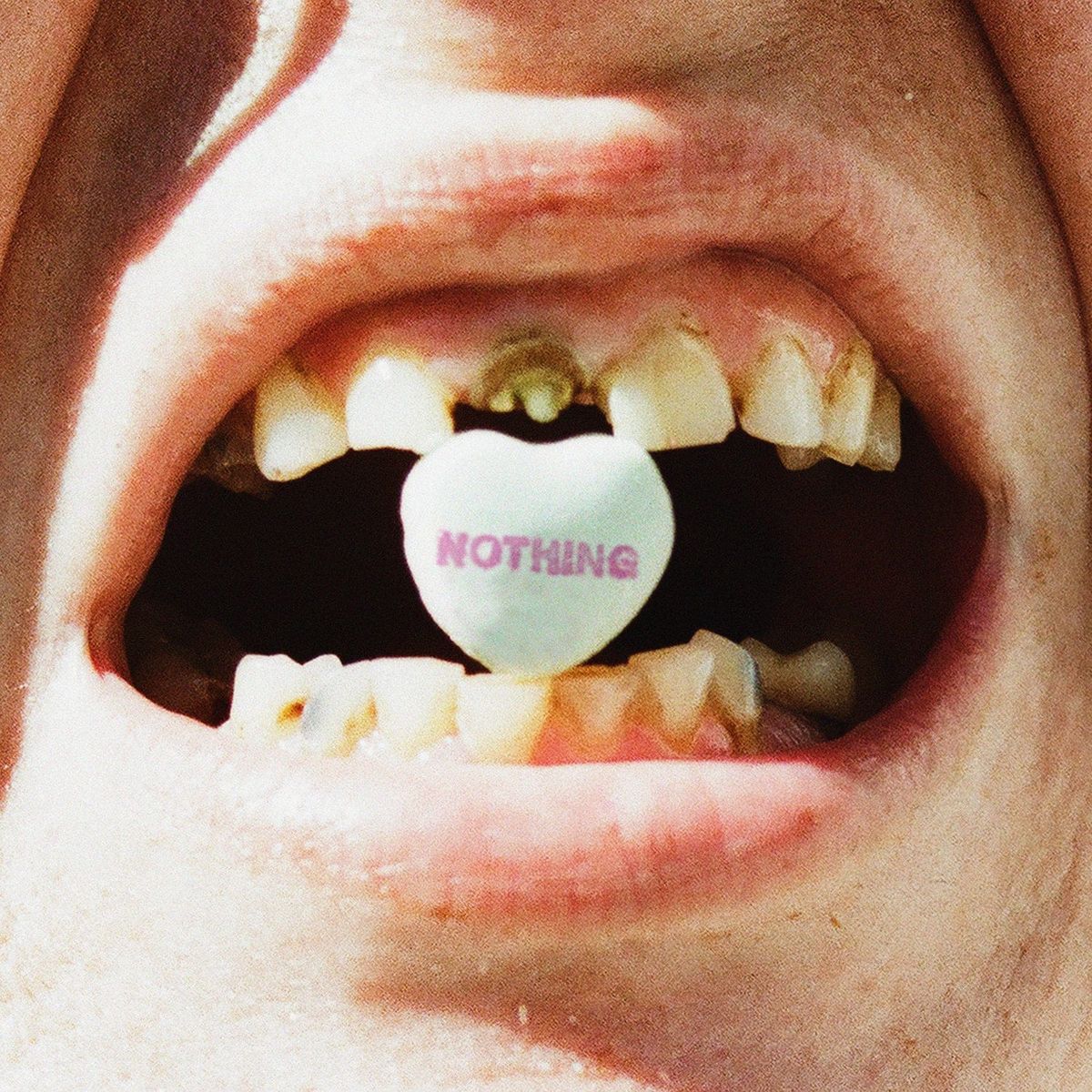
It’s been five and a half years since we last heard from Philadelphia’s Nothing. In their absence, the shoegaze revival that they were so instrumental in kickstarting has continued to gather unexpected cultural momentum. While the stars of contemporaries like Deafheaven and Whirr have faded—and for very different reasons—a new wave of bands has entered the conversation. Younger outfits such as Julie, Horse Jumper of Love, and Feeble Little Horse don’t sound like shoegaze purists; instead, their genre-adjacent positioning and willingness to fuse grunge, slowcore, and ’90s alt-rock influences with classic shoegaze textures allow them to capitalise on the genre’s success without sounding like obvious copycats.
So, where does a band like Nothing sit in 2026? And is there still a place for their muscular brand of heavy shoegaze? A Short History of Decay, the band’s first release for Boston label Run For Cover, offers as many contradictions as answers.
Nothing’s revolving line-up, with frontman Domenic “Nicky” Palermo the only ever-present, has been a key factor in the band’s steady evolution. Their current iteration features precisely half of Indiana’s Cloakroom, inviting parallels with that band’s recent evolution. Like Nothing, Cloakroom made their name with Relapse Records; indeed, 2025’s Last Leg of the Human Table was their first release post-Relapse, which is also the case for Nothing and A Short History of Decay. However, there are sonic similarities as well: both records feel more spacious than their creators’ past works, and more open to melody.
It would be overly simplistic to cast A Short History of Decay as a mature release with gentler edges. It certainly doesn’t herald the kind of regression to the mean these sorts of signifiers are usually associated with. And while it certainly won’t be as influential as Nothing’s earlier works, its confident songwriting and willingness to smoothly transition between styles mark it out as a creative high point in the band’s catalogue.
Opener “Never Come Never Morning” finds Palermo in a reflective mood, comparing his carefree early life (“Free from fury / When I was young”) with the messiness of adulthood (“When I was old / Ain’t life terrible / With beautiful things getting between”) over an insistent guitar strum, leaning closer to rock than shoegaze. Next, “Cannibal World” offers submerged vocals, frenetic breakbeats, and gauzy guitar textures, while the title track offers a more conventional take on Nothing’s trademark sound.
A change of pace arrives with “The Rain Don’t Care” and string-drenched centrepiece “Purple Strings,” both the kind of beautiful, dreamy compositions that reaffirm that maturity and creativity aren’t mutually exclusive traits.The album finishes strongly, too. The raucous “Toothless Coal” has the makings of a modern shoegaze classic, with its subtle rhythmic shifts and expertly judged pauses. I cited a few young pretenders to the shoegaze throne earlier in this review, but dynamically, none are as adept as Nothing at this brand of songcraft. The jangly arpeggios of “Nerve Scales” provide a beguiling detour, while the carefully constructed build to a crescendo of “Essential Tremors” serves as an ideal finale.
A Short History of Decay presents a double meaning. At 44 years old—the same age as this critic—Palermo is writing from a perspective shaped by an understanding of human decay. But in a sonic sense, exaggerated decay is an integral component of shoegaze music. As a veteran practitioner and longtime fan, Palermo is ideally positioned to author his own sonic history of the genre. Given A Short History of Decay’s variety, intensity, and sense of daring, allied to its strong songwriting, I suspect it will become a valuable reference for students of modern shoegaze long after its current wave has passed.
A Short History of Decay is out now via Run For Cover.

No Ripcord reviews will always be free to read. If you value independent music criticism, you can support the site with a $20 annual subscription.

Comments ()