

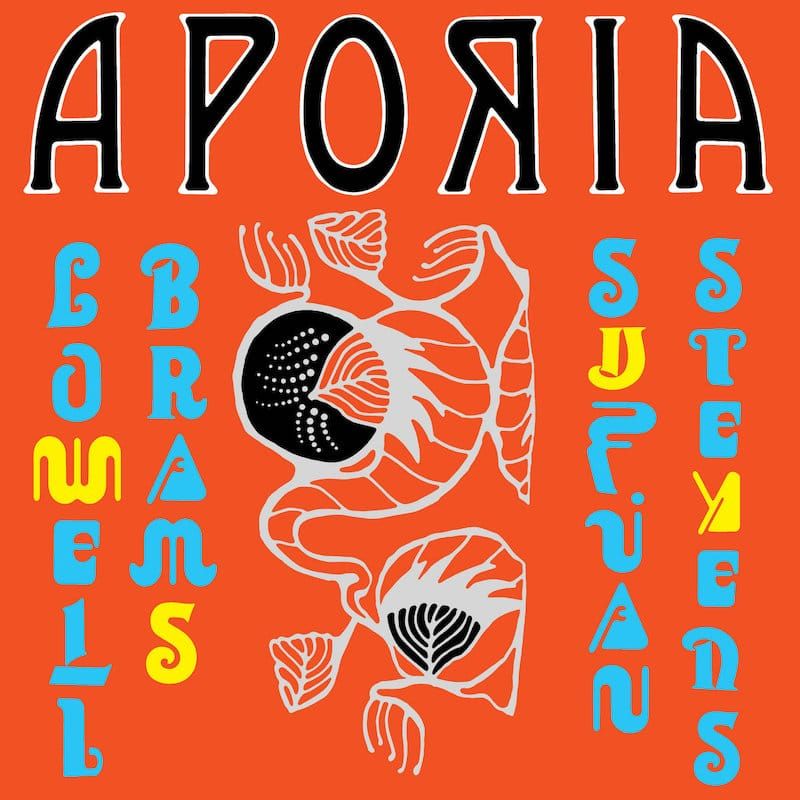
Sufjan Stevens & Lowell Brams – Aporia
Aporia is Stevens’ 9th full-length album, and first to be co-credited with his stepfather and co-founder of Asthmatic Kitty, Lowell Brams.
It’s easy to get swept away in the legend of Sufjan Stevens. According to liner notes on one of his albums, he was left as an infant at the doorstep of an unsuspecting family who subsequently raised him as their own. Instead of being left with apes like Tarzan, Sufjan’s foster parents were musicians and quickly determined the boy to be something of a musical prodigy. Under their guidance, Stevens learned every instrument he could, from banjo to flute to the analytics of computer-programmed sonics, and set out to make a name for himself in town. Or something like that.
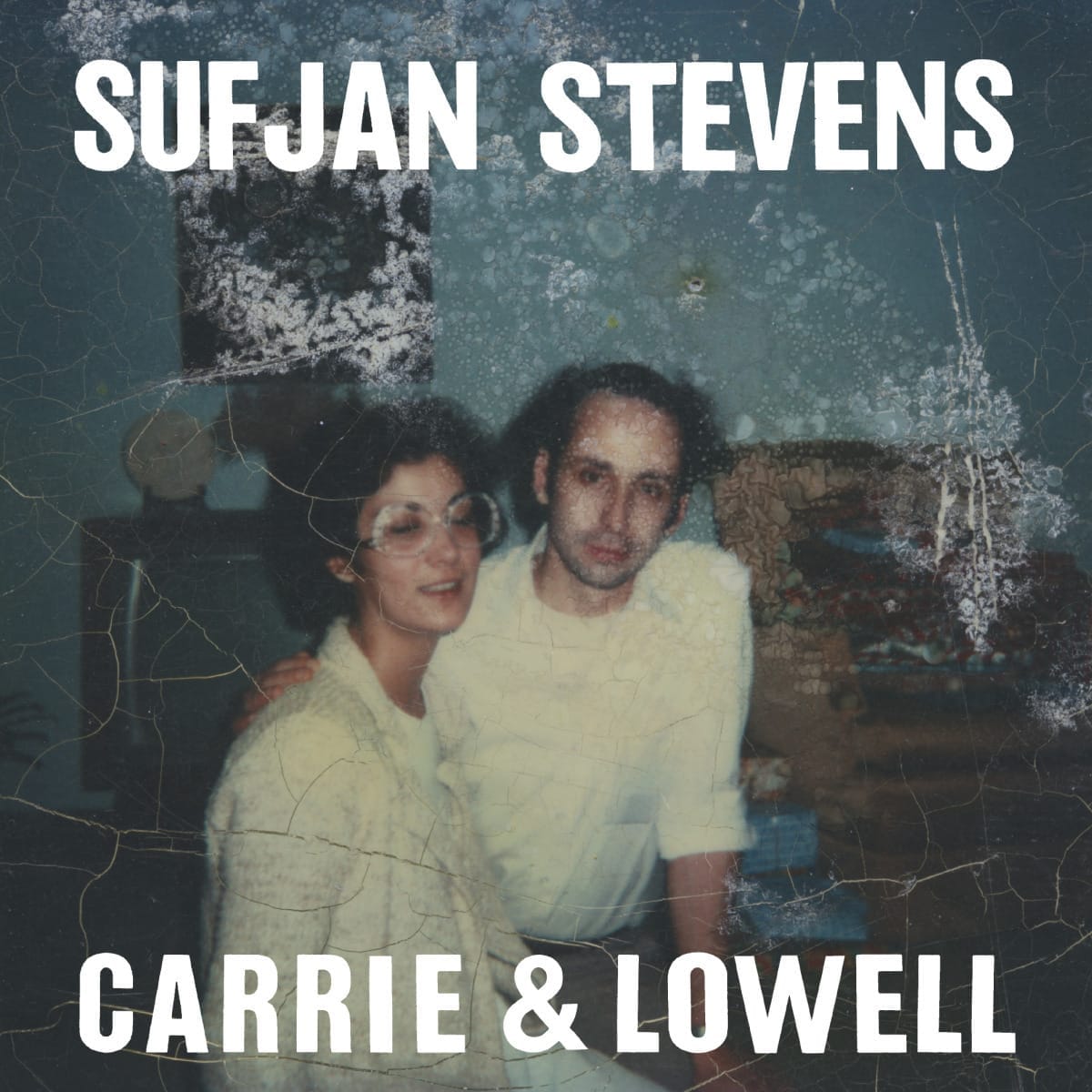
A bunch of albums later, we’ve all come to appreciate Stevens’ various outings, from his gentle early hymnals, to early career epics, to forays into the avant-garde or classical or electro. As if coming full circle, Sufjan reached some kind of critical, personal, and commercial apex by returning to his early gentle works and by focusing on his family (Carrie & Lowell). It’s almost no surprise, then, that Stevens’ next sojourn would be family-focused, this time working with the titular stepfather (Lowell Brams) with whom Stevens’ personal and professional life has long been intertwined.
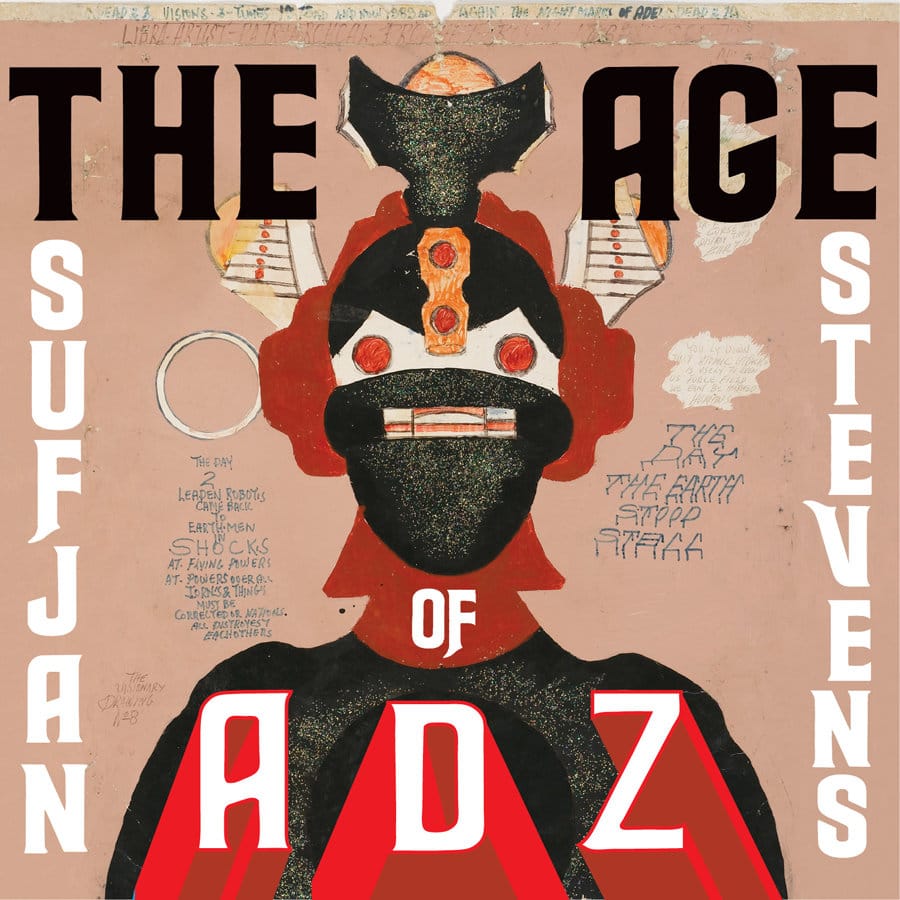
Aporia is Stevens’ 9th full-length album, and first to be co-credited with his stepfather and co-founder of Asthmatic Kitty, Lowell Brams. Together, Stevens and Brams have produced an album of instrumental, bite-sized soundscapes from an assemblage of synthesized melodies, ethereal choruses, and electronic beats reminiscent of Stevens’ ambitious Age of Adz—and an ever-present atmosphere of droning chords. According to the description on Asthmatic Kitty, this is a “New Age” album that evokes the work of “John Carpenter, Wendy Carlos, and Mike Oldfield.” Yes, the album does reach for those luminaries, but it arrives elsewhere.
Instead of being grounded in the spiritual hemp-haze of the aforementioned artists, Aporia brings to mind less ambitious analogies. For example, parts of the album could pass for recent video game music meant to impart pixillated games with a retro vibe. There was even one point, unfortunately, I could imagine an Aporia piece soundtracking a reflective sequence in something like Gears of War 5. At another time, I got nice whiffs of Ryuichi Sakamoto, and elsewhere, Joe Hisaishi of Studio Ghibli fame. I even heard, as you often do in this type of music, the lineage of Vangelis’ film scores—and in less flatteringly moments, the music felt like it could pop up in the next Avatar film. Yes, those are a lot of touchstones for an album, yet they don’t translate to depth in the span of Aporia’s twenty-one short tracks.
And that, the diminutive length of the album’s songs, might be Aporia’s downfall. An album can’t wear the pants of Carpenter, Carlos, and Oldfield, all of whom crafted electronic epics built around unforgettable melodies and precise attention to detail when Stevens and Brams hop from one track to the next before any of their soundscapes journey beyond the front porch. The two longest tracks on Aporia eke in at about three and a half minutes, but because everything else is shorter by about half, the accumulation of pieces feels more like a demo reel than an album. More frustrating than the brevity of the songs is the impression that a good third of the tracks are undeveloped, like the kind of music a stoner would record after finding a new sound plug-in for their Korg.
And while ambient and New Age music does not need melody and rigid attention to detail to function, there is rarely a New Age track that comes in under the two-minute mark, as do half the tracks on Aporia. One of the functions of New Age music is to transport the listener to a timeless place, to provide, if you will, a sacred space for meditation, or reflection, or a massage. That raises the question, what function does Aporia serve, besides being a twenty-one track demo tape Brams and Stevens might want to pass along to James Cameron or Capybara games? A better question might be, how great could this album have been if Stevens and Brams had stretched out and developed eight of the decent tracks into something special, and ditched the stoner sketches?
Aporia was released on 24 March 2020 via Asthmatic Kitty.

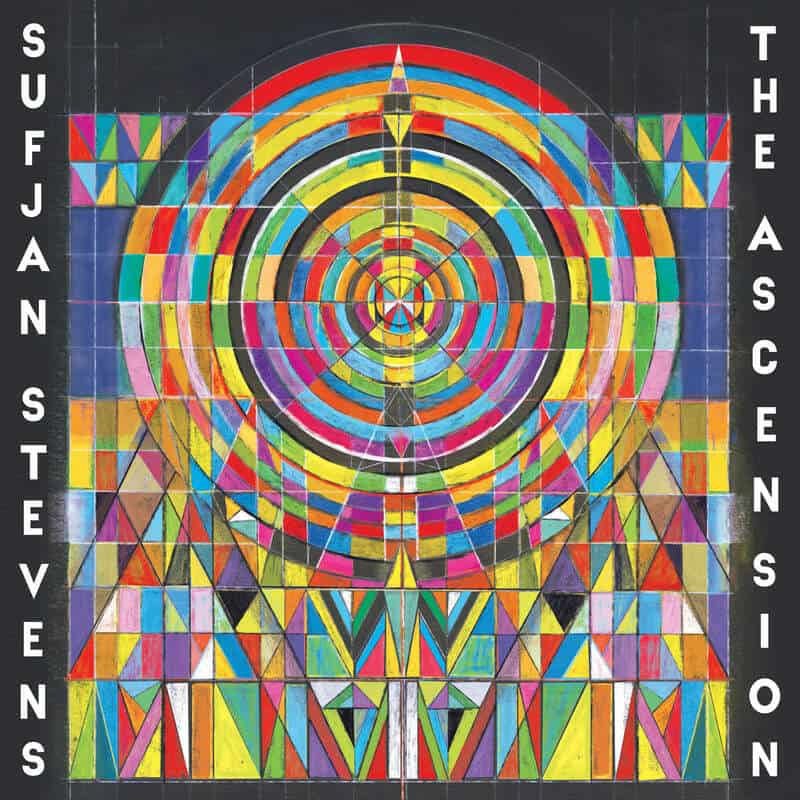
Related Articles
 No Ripcord
 Juan Edgardo Rodríguez
 No Ripcord
 No Ripcord
 No Ripcord
No Ripcord reviews will always be free to read. If you value independent music criticism, you can support the site with a $20 annual subscription.
Comments ()