

U2 – Carnaval de Luz
On their bright, faith-heavy comeback, the Irish rockers search for meaning in an increasingly soulless world.
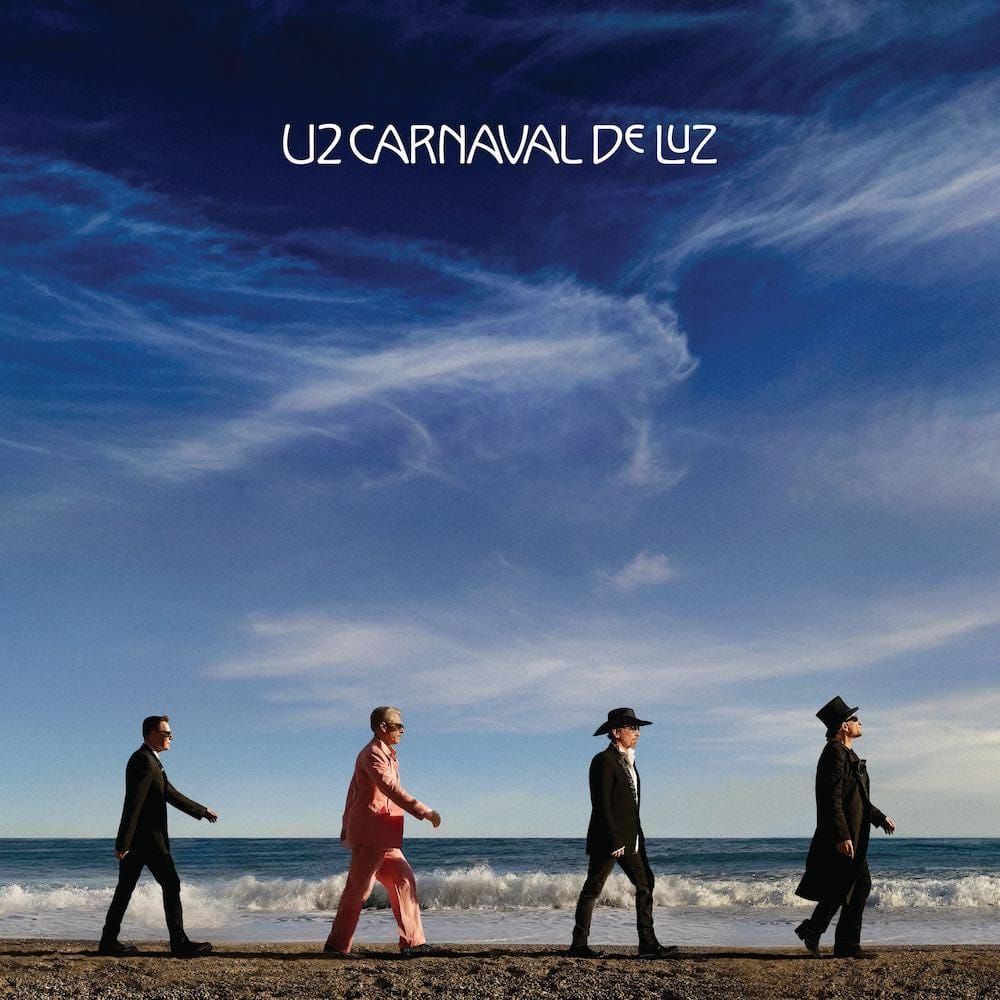
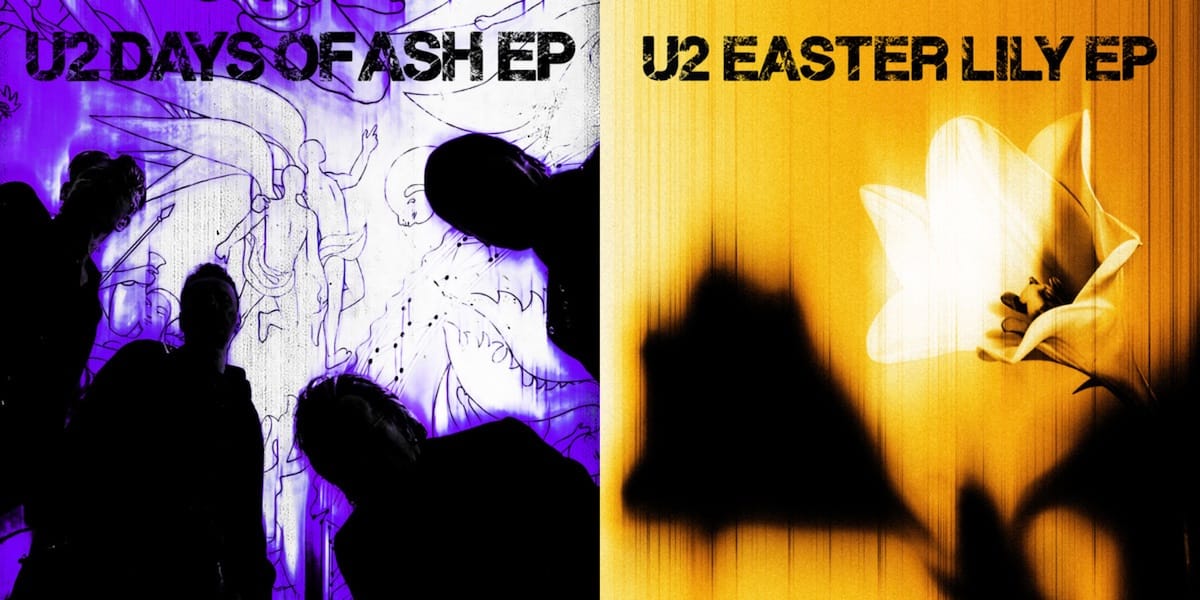
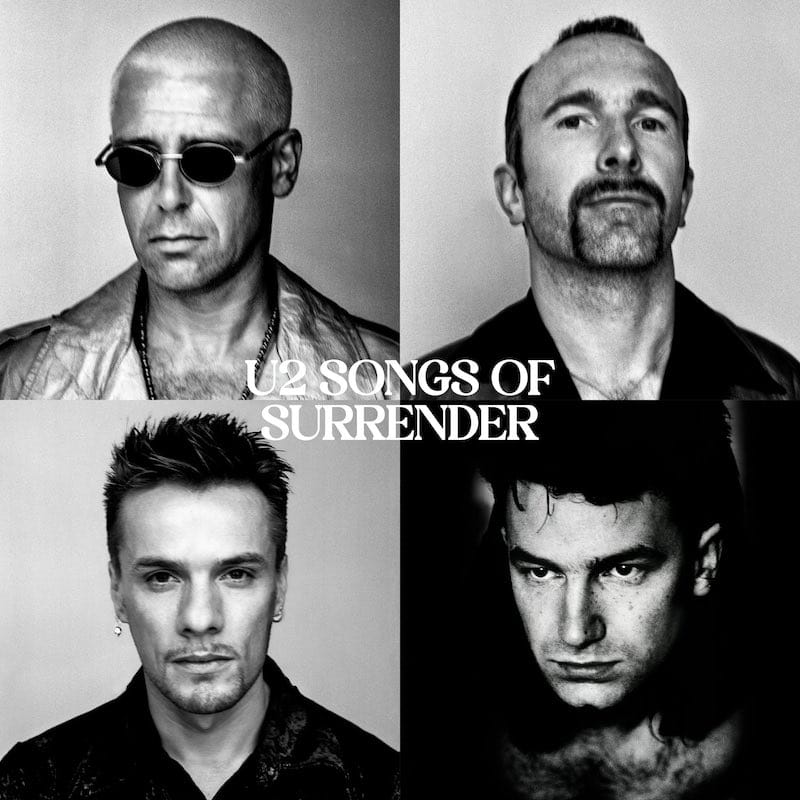
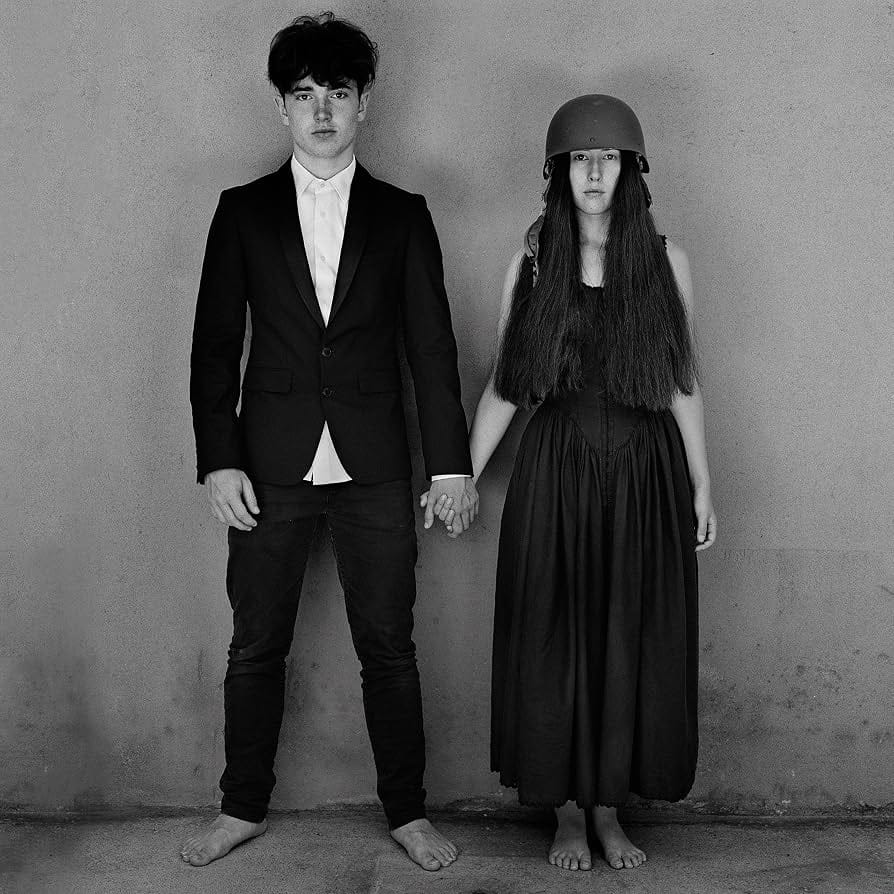
Since their last studio album in 2017, Songs of Experience, U2 have kept busy without much to show for it. Beyond a reimagining of 40 songs to accompany Bono’s memoir, which met with a lukewarm reception, the Irish institution surprised many with a pair of EPs that featured some of their strongest material since the early to mid-2000s. While Days of Ash and Easter Lily revealed a somewhat edgier, more politically engaged side of the band that had been largely absent in recent years, it seemed only inevitable that a follow-up would see them dial back the messaging in favour of something more chart-friendly.
Those were Bono’s exact words, actually. “Storm the charts,” he declared with a tinge of faux self-deprecation during an appearance on The Interview, The New York Times’ long-form podcast. By his estimation, however, Carnaval de Luz aims to make forward-thinking music with the potential to reach a wide audience. After all the lip service in the lead-up to its release, the final result lands somewhere in the middle, lacking the spark to satisfy either camp fully. And this coming from someone who, to preempt any misreadings, appreciates some of the band’s biggest anthemic swings—especially 2000’s All That You Can't Leave Behind.
There are flashes of inspired weirdness, particularly on “Go,” where Bono, with true rockabilly zeal, assumes the role of master of ceremonies, preaching a gospel of hope over a buzzy backdrop that makes as bold an opening statement as “Even Better Than the Real Thing” did on Achtung Baby. It perfectly sets the tone for “La Reina,” which, despite touching on familiar themes like the yearning for connection in shared spaces, finds Bono expressing these sentiments with unexpected nuance: “The mask is really you.” When “Street of Dreams” invokes the need for collective uplift, propelled by an inspired marching groove from Larry Mullen Jr., the central concept of the album—finding meaning in an increasingly soulless world—fully takes flight.
If only U2 would sustain that festive energy. Much of the rest of Carnaval de Luz, with its reverence for all things divine and even the occasional finger-pointing, comes across as desperately sincere. Bono is generally easier to stomach at his most secular, but when he delivers lines like “Better than you see yourself/the sun can’t see itself shine” on “Glorify,” his backhanded approach to worship borders on hubris. He does return to the universal idea of following the light in a less intrusive way on “Midnight Sunshine,” but its chintzy soul, so completely out of place here, offsets the joyous abandon they hinted at earlier.
Back behind the boards is longtime producer Jacknife Lee, who finally understands that U2 is made up of four members and not just one. He not only invokes Mullen Jr. to play some of his more involved drum parts in years, a heartwarming development given his risky neck surgery recovery, but also remembers that bassist Adam Clayton can really carry a tune. One such case is the straightforward garage-rock charge of “Silencio”—which almost had me singing a Hives-worthy “because I wanna” before the first verse kicks in—where one can forgive Bono for his earlier histrionics by rebuking institutional power. And yes, particularly the religious kind: “Dressed like a devil but tonight you're the host/of Father, Son and the Holy Ghost.” Bono’s allegiance to what the Ramones wrought will always carry more weight than any psalm ever could.
Their band dynamic also carries into the expansive “The Greatest Show on Earth,” which draws on U2’s late-’80s sound, even if it feels somewhat lacking in emotional depth by comparison. Bono’s ponderings that “We were once the greatest show on earth” resurface occasionally, extending on some level to how they view their place in the pantheon of pop music. But their message of unity ultimately takes precedence, as in the Dolly Parton collaboration “Torn,” underscoring just how deeply entrenched societal divisions remain and how much work is still to be done. As ever, his concerns extend in two directions: toward the future of his own band and the wider state of the world. Their communion, while undeniably luminous in intent, doesn’t always translate as it should.
Carnaval de Luz is out now via Island.

Related Articles
 Juan Edgardo Rodríguez
 No Ripcord
 No Ripcord
 No Ripcord

No Ripcord reviews will always be free to read. If you value independent music criticism, you can support the site with a $20 annual subscription.

Comments ()