

Every Weezer Album Ranked From Worst to Best
Of all the modern rock discographies to rank, Weezer’s is probably the trickiest. When a band divides opinion this sharply—even within their own fanbase—you know consensus is out of the question. And yet here we are, ranking Weezer’s fifteen studio albums regardless.
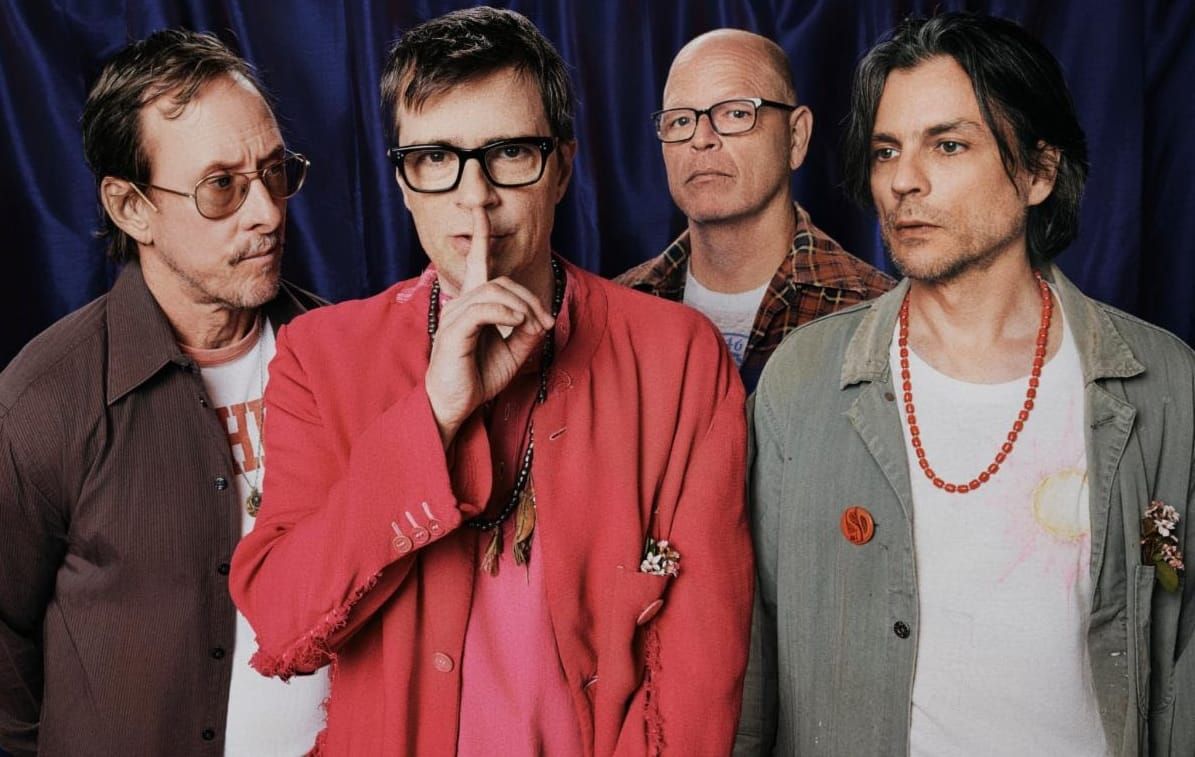
Weezer. Everyone has an opinion about them. But what everyone can agree on is that no two opinions are the same, and rating their discography always sparks passionate discourse among fans, detractors, and everyone in between. I, for one, have loved this band since they first started, but will be the first to admit that it’s been a challenge—and a labour of love—to follow their every triumph and stumble.
Following the announcement of their 16th full-length self-titled studio album, aka The Gold Album—let’s get the first argument out of the way right off the bat, I am not counting the four EPs project, SZNZ—I’ve decided to rank my personal favourites from worst to best. Once The Gold Album is officially out, I’ll update this page to reflect where that one lands.
Help us make more features like this.
A full-discography ranking like this is the result of hours of listening, writing, and editing. If you enjoy this kind of independent music criticism, please share the article and consider supporting No Ripcord for just $20 a year.
15. Weezer – The Teal Album (2019)
I debated whether even to add The Teal Album to this list, mainly because it was such a pointless release. Starting with their bafflingly popular cover of Toto’s “Africa,” which they felt motivated to work on after a months-long Twitter campaign from a random account that incessantly pushed the band to cover the song until they caved in. Elsewhere, you also get tepid covers of Black Sabbath’s “Paranoid” and “Everybody Wants to Rule the World,” which I’m sure you’ve heard involuntarily from strangers at your local karaoke night. I guess they did justice to Electric Light Orchestra’s “Mr. Blue Sky,” which might be this release’s only redeeming quality. Given that teal is also one of my favourite colours, the move feels like even more of a waste.
Favourite track: Mr. Blue Sky, I guess.
14. Weezer – The Black Album (2019)
Though you might assume that choosing Weezer’s worst album of original material would’ve been challenging, you’ll be surprised to hear that The Black Album easily tops the bottom for me, and it’s not even close. One would expect that bringing TV on the Radio’s David Sitek to handle production duties would result in better creative synergy, but what it achieves instead is the equivalent of polishing a turd. Rivers Cuomo has never been shy about appealing to more mainstream audiences, but it took him a long time to realise that songs like “Living in L.A.” and “Can’t Knock the Hustle,” which borrow from the Fuelled by Ramen playbook, tend to alienate some of his most dedicated fans. Even the mushy, piano-driven “High as a Kite,” with its pleasant synth swell, comes off as childish rather than childlike. The one positive takeaway I can think of is that the album signalled the beginning of Cuomo’s career course correction.
Favourite track: High as a Kite
13. Raditude (2009)
You knew this was coming next, didn’t you? While some purists consider any post-Pinkerton release as the beginning of their inevitable decline, which is completely false, Raditude is often mentioned as the other major blunder in their catalogue. For a brief second, I wondered if their seventh LP deserved to get universally panned—and then all the memories came rushing back. Despite being a staple of their live shows, “(If You’re Wondering If I Want You to) I Want You To”—with its outdated references–sounds past its expiration date. Cuomo aimed to convey the awkwardness of teenage life throughout the album, possibly to appeal to their younger audience. However, attempts at capturing the spirit of the era—such as David Lee Roth-inspired strutting (“The Girl Got Hot”) or catchy pop-punk suited for the Not Another Teen Movie soundtrack (“Put Me Back Together,” “In The Mall”) sound more like awkwardly modernised interpretations of Cuomo’s personal music taste. And what can I say about the rap-rock fusion of “Can’t Stop Partying,” often a recipe for disaster, which literally no one asked for.
Favourite track: I’m Your Daddy
 No Ripcord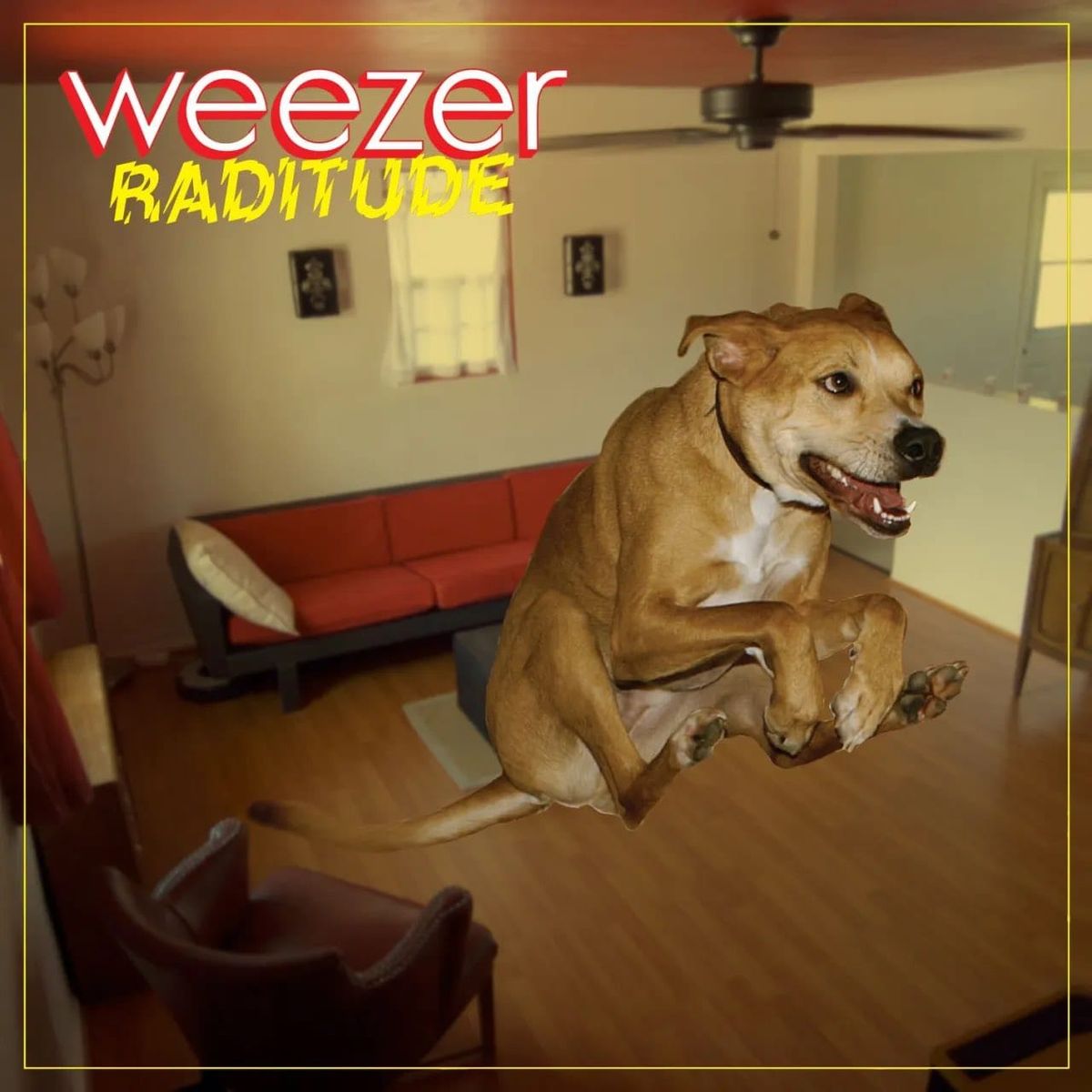
12. Weezer – The Red Album (2008)
For inexplicable reasons, this might be the most controversial placing on this list. After the shockingly mainstream pivot they made with Make Believe (more on that one very shortly), the Weez felt compelled to reboot their image by fooling us into thinking they’d return to the power pop perfection of The Blue Album. In reality, The Red Album doesn’t even come close. I’d go as far as to say that it’s easily one of the most overrated records, relatively speaking, in their discography. While I have a soft spot for the memeified “Pork & Beans,” which evokes a simpler time of the Internet era, I can’t defend the “ambitious” tag this album often gets. Many swear by “The Greatest Man That Ever Lived” as one of their best 2000s songs, but all I hear is a hammy tribute to Queen that overstays its welcome. I was heartened to hear that the back-to-basics crunchy guitars of “Dreamin’” and “Troublemaker” have aged better. But honestly, did everyone forget how dreadful the second half of this album is? Rivers acted nobly in allowing all the members of the band to contribute their own material, but when it comes to equally talented band democracy, they ain’t exactly Sloan.
Favourite track: Dreamin’
 No Ripcord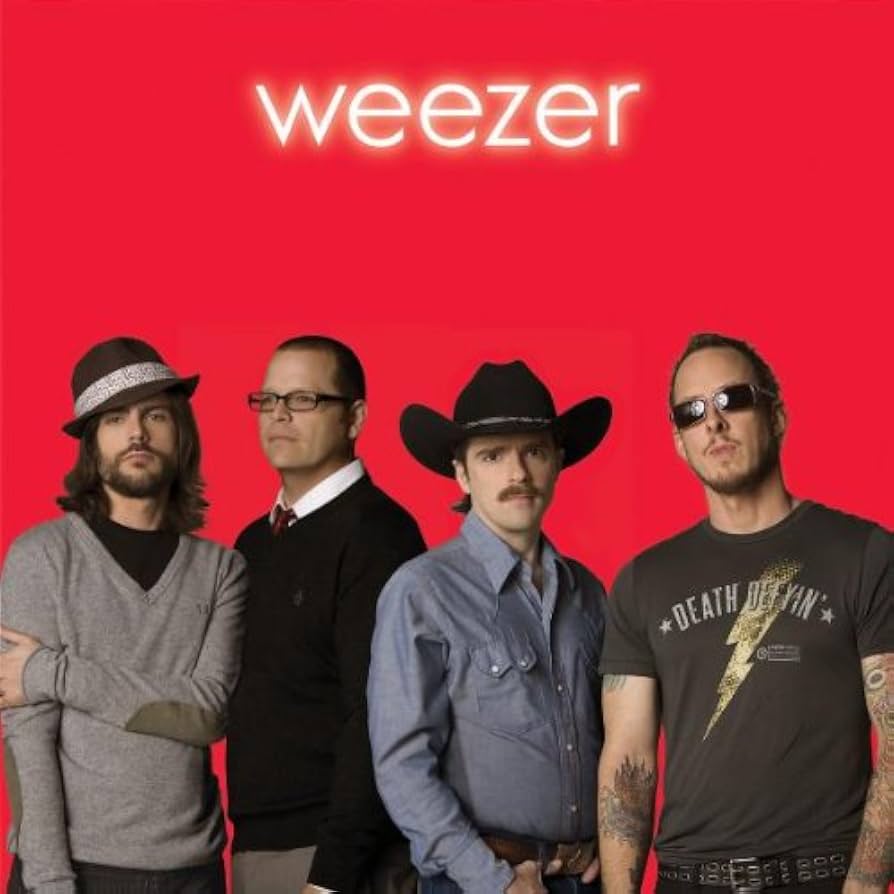
11. Pacific Daydream (2017)
Among all of Weezer’s albums, Pacific Daydream is the one whose lead single I struggled to recall. While I cannot confirm this definitively, their sun-drenched 11th studio album strikes me as consisting of leftover material following their surprisingly considered 2016 LP, The White Album. I would completely understand if some might rank this album lower, as the bouncy stomp of “Feels Like Summer” and “Mexican Fender” has few redeemable qualities. The bland, bluesy groove of “Beach Boys” fares somewhat better, though it sounds like a feeble attempt to capitalize on the Black Keys’ baffling rise during the 2010s. Although Pacific Daydream has fewer standout moments than most Weezer projects, I acknowledge that it flows quite smoothly from beginning to end—even if it may not fully cater to seasoned fans like myself. And for the diehards, there is “Sweet Mary,” a charming chamber pop deep cut that could always find a second life on TikTok.
Favourite track: Sweet Mary
10. Make Believe (2005)
Here commences the great betrayal. Not as bad as its initial reception due to a lack of expectation management, but also completely warranted given its complacent songwriting, Make Believe felt like whiplash for Weezer fans. Although it may seem contradictory to label their fifth album an outright failure—especially since “Beverly Hills” remains their highest-charting single—its overall impact left a permanent stain that still lingers to this day. Most people weren’t conditioned to Weezer’s shoddy quality control at the time, which might explain why perfectly okay songs like “This is Such a Pity” and “Pardon Me” came across as disappointing versions of their earlier work. But to Cuomo’s credit, he had perfected a tight, punchy hard rock sound down to a science (“Hold Me”). On the other hand, it’s completely reasonable to expect better than “We Are All On Drugs,” their nursery rhyming stab at sardonic humour that makes you want to take drugs. While there is some correlation to Pinkerton in Cuomo’s self-deprecation, Make Believe serves as a lukewarm attempt at introspection aimed at pleasing the masses.
Favourite track: This is Such a Pity
9. Hurley (2010)
Finally, we’ve reached the part of this list where we talk about good-to-great Weezer albums! Back when the band signed with Epitaph for a one-album deal, no one batted an eye. I characterised their transition to a major indie label as “predictable, safe, and more than adequate” in my original review of the album, thinking that releasing straight-ahead pop punk could benefit a band that often came across as too meticulous in their decision-making. Letting loose does serve the band well on Hurley, which, more than any other Weezer album at the time, reaffirmed fans that Cuomo would deliberately keep his better songs in his back pocket to prioritise, um, Raditude. But if you manage expectations accordingly, you’ll appreciate sweet, well-crafted power ballads (“Run Away,” “Trainwrecks”) and catchy grunge-pop (“Unspoken”) that you might’ve never heard. Tracks like “Ruling Me” and “Hang On” evoke a late-nineties pop-rock feel, thanks to contributions from Semisonic’s Dan Wilson and seasoned songwriter Rick Nowels (co-writer of The New Radicals’ “You Get What You Give”). As expected, you’ll hit some bumps in the road—the dumb and clunky “Where’s My Sex?” and “Smart Girls” should’ve been left aside in the sessions for Raditutde. But overall, the album, often considered a minor work, holds up well and is sharper than its overlooked reputation might suggest.
Favourite track: Unspoken* (Run Away* if Ryan Adams weren't involved)
 Juan Edgardo Rodríguez
8. Van Weezer (2021)
Looking back, it’s remarkable that Van Weezer ended up being Weezer’s last proper studio album—and yes, I refuse to count the SZNZ project as either one, let alone four albums for this ranking. Mainly underappreciated, Van Weezer finds Rivers Cuomo, an unabashed metalhead, imagining the musical path he might have pursued had The Blue Album never taken off. Was this pre-pandemic project pushed to promote the Hella Mega Tour? Sure. Does it matter? Not really. Any true Weezer fan needs to accept that Cuomo can crank out two-handed finger-tapping riffs (“The End of the Game”) and catchy hard rock (“Hero”) like it’s no one’s business. Even the common claim that Van Weezer is steeped in ’80s metal sleaze feels somewhat overstated. Tracks like “I Need Some of That” and “She Needs Me” strike me as far more indebted to power pop than hair metal. My favourite to this day is “Sheila Can Do It,” which, as I wrote for Apple Music at the time, is a “revved-up rocker with bubblegum New Wave flourishes.” It may not be distinctive enough to rank higher, but I’ll always appreciate the 30 minutes of escapism it provided in 2021, when that kind of release felt especially welcome.
Favourite track: Beginning of the End
 David Coleman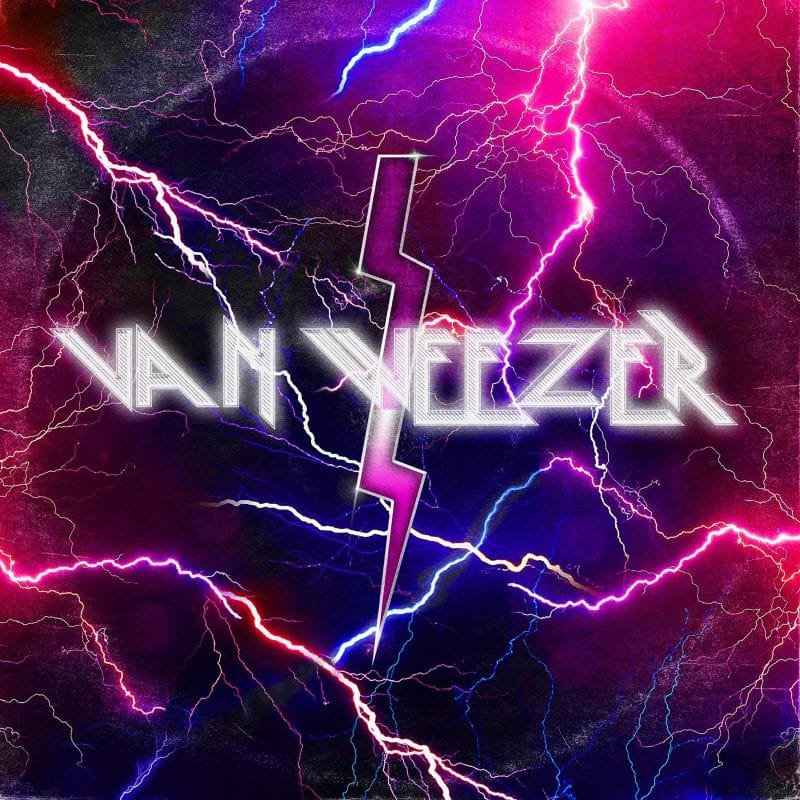
7. OK Human (2021)
This one is hard for me to rank. While my placements here are meant to be entirely subjective, I also want to maintain some fairness, too. I recognise that OK Human, Cuomo’s pandemic-era work, sets itself apart from the rest of their catalogue, but I wish I appreciated it more. Following in Brian Wilson and Harry Nilsson’s footsteps, Cuomo’s heart was certainly in the right place when he assembled a 38-piece orchestra alongside their usual four-piece setup—and no guitars in sight—to assimilate a 60s Baroque pop masterwork. But while that concept very much aligns with my taste, I’ve always thought that his staccato vocal style does not always gel with the orchestral flourishes heard in tracks like “Aloo Gobi” and “Grapes of Wrath.” The same goes for the lack of variation in Patrick Wilson’s drumming, which undermines the richly arranged “Bird With a Broken Wing.” Nonetheless, the album’s true strength lies in how Cuomo inhabits a more vulnerable headspace, addressing themes such as loneliness and technological alienation with surprising nuance. Although I have reservations about the album as a whole, I also respect it immensely. And to be fair, there are several standout tracks (“Here Comes The Rain,” “Dead Roses”) that I frequently revisit.
Favourite track: Dead Roses
 No Ripcord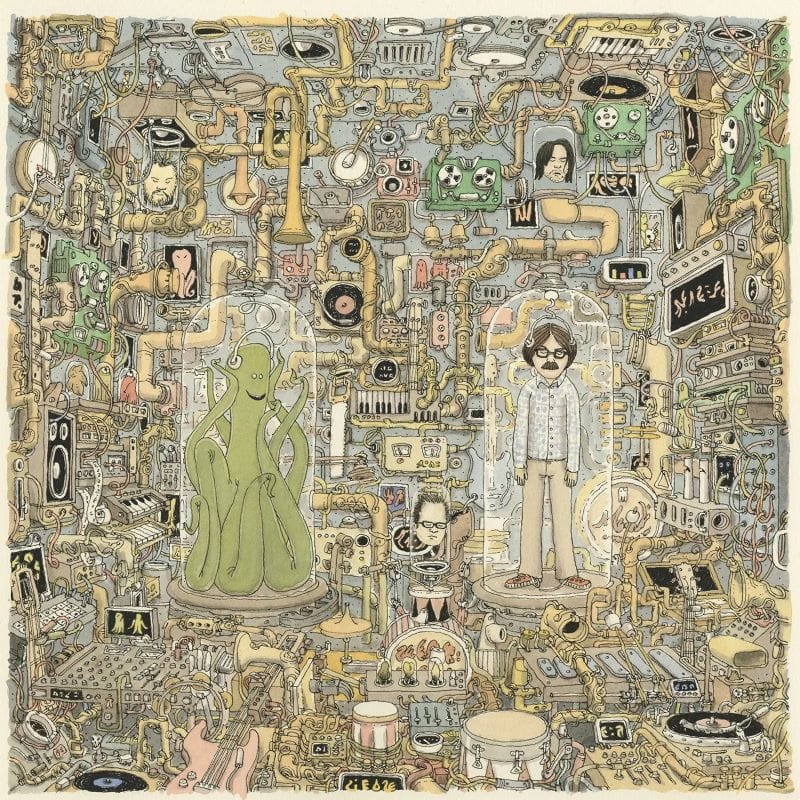
6. Weezer – The Green Album (2002)
The period when The Green Album and Maladroit came out is especially meaningful to me. Both albums soundtracked the transition from the end of 11th grade into my senior year of high school, and I distinctly remember playing my CD copy of Maladroit in my friend Jesus’ car as he drove us to Pizza Hut to celebrate my graduation. It’s simply impossible for me to view The Green Album through the lens of “the disappointing return after Pinkerton.” If I were maybe five years older, I’d probably feel the same way. After all, I was only nine when I first saw the music video for “Undone.” Brisk, punchy, and irresistibly catchy, Ocasek really gave that spit-shine treatment to its relatively impersonal tone, as demonstrated on straight-ahead tracks like “Photograph” and “Simple Pages.” And what more can be said about “Hash Pipe,” which, despite its simple arrangement, is more clever than it lets on. What makes the album even more remarkable is its context. That such bright, crunchy music came from Cuomo after the harsh backlash to Pinkerton—one of the most significant reappraisals in recorded music history—makes their return, in spite of its bittersweet core, even sweeter. It’s not perfect by any means. I rarely revisit the middle stretch between “Island in the Sun” and “Smile,” for example, especially “Crab,” which sounded even worse than I remembered. Was playing it safe the right move? Considering the album’s memorable singles and impressive sales figures, his decision to turn the page, despite what their fans might have thought at the time, proved to be the right choice.
Favourite track: Photograph
5. Everything Will Be Alright in the End (2014)
Except for their first two albums, Everything Will Be Alright in the End is as close to a consensus favourite among their fanbase. The reasons are fairly obvious. Cuomo returned to a guitar-driven sound without padding the tracklist with awkward pop crossover attempts, and the band reunited with The Blue Album producer Ric Ocasek. It’s a formula that practically anyone can root for. At the same time, the album doesn’t really recapture the ’90s sound in a way that would win over the “Weezer haven’t been good since Pinkerton” crowd. This might be a controversial take, but I don’t think it’s dramatically better than Hurley. Before getting into that argument, though, it’s worth noting that songs like “Lonely Girl” and “Cleopatra” share some DNA with both The Blue Album and, for the real diehards, Cuomo’s abandoned rock opera, Songs from the Black Hole. Whereas tracks like “Back to the Shack” and “The British Are Coming”—among the highlights here— sound like more refined, reskinned versions of ideas the band has explored throughout the 2000s. And then there’s their collaboration with Best Coast, “Go Away,” which, while passable by my standards, has a really likable doo-wop chord progression that grows on you. No wonder the late bloomer became a surprise hit. If EWBAITE were trimmed to ten tracks, I’d probably rank it higher, but the instrumental suite that closes the album, Futurescope Trilogy, feels like the initial bones of a broader project. All told, revisiting the album made me realise how much affection I have for it. I’ve definitely been overlooking it for years.
Favourite track: Foolish Father
4. Maladroit (2002)
Maladroit was an album of many firsts for the Weez. Shedding the polished power pop sheen of the Green Album, their fourth LP embraced a heavier sound they had only hinted at before—the righteous solo in “My Name is Jonas” comes to mind, for example. It’s hard to explain, but the addition of Scott Shriner on bass brought a sense of completeness the band needed in the post-Pinkerton years, even if it was a tough pill to swallow for fans still hoping for original bassist Matt Sharp’s return. Some still are, and I don’t blame them. Even at its most uncompromising, though, the album produced some of my favourite Weezer singles. I’ve always thought “Dope Nose” was a particularly unusual choice for a lead single, somewhat akin to how Green Day followed their diamond-selling smash Dookie with the bleaker, more vitriolic—and awesome—“Geek Stink Breath” from Insomniac. If you’re an albums-first person like me, Maladroit is packed with tons of unsung deep cuts: the self-deprecating slow burn of “Death and Destruction”; the jangly, off-kilter groove of “Burndt Jamb”; and the metallic crunch of “Fall Together.” And can we talk about “Love Explosion” for a second? It’s such a lovely Cheap Trick-like homage. Throughout the album, there’s a palpable sense of a band trying to break free from the tighter quality control of the Green Album—so much so that they solicited feedback from fans via their official message board. And while it may not be their most profound work, it’s one of their most satisfyingly raw and unputdownable.
Favourite track: Burndt Jamb or Death and Destruction, don’t make me choose.
3. Weezer – The White Album (2016)
Am I overrating The White Album? Much has been made of Cuomo’s inability to recapture the brilliance of his first two albums. That criticism mainly overlooks the fact that musicians can unlock something special without conforming to anyone’s nostalgic expectations. Capturing the Beach Boys-inspired pre-psychedelic period without becoming beholden to them, Cuomo hides some of his saddest observations beneath The White Album’s most lively melodies. A happier-sounding Pinkerton, perhaps? Bringing in Jake Sinclair as producer—best known at the time for his work with Panic! At the Disco—felt like a smart move at the time to produce their most quintessentially California statement. A self-professed fan of the band, Sinclair seemed determined to restore Weezer’s crunchier guitar sound, while also sneaking in touches of Moog if you listen closely enough on tracks like “Summer Elaine and Drunk Dori.” “L.A. Girlz” and “Do You Wanna Get High?” evoke the band’s early years, but for me, the true winners here are the tracks that resist leaning on their past work—whether it’s the sweet romanticism of “Wind in Our Sail” or the sauntering, piano-led “(Girl We Got A) Good Thing.” Like most Weezer albums, it has its flaws. We can all pretend that “Thank God for Girls” never happened, even if it at least complements the album’s sunny demeanour rather than completely disrupt it. When I first reviewed the album, I ended with a thought that still holds today: “It’s hard to contest Weezer’s wistful yearning for the city that practically shaped their sound.” Carrying a lingering sense of breezy melancholy, the band recognises that the best way to confront the city’s darker realities is to bury them beneath bright, irresistible hooks.
Favourite track: L.A. Girlz
 Juan Edgardo Rodríguez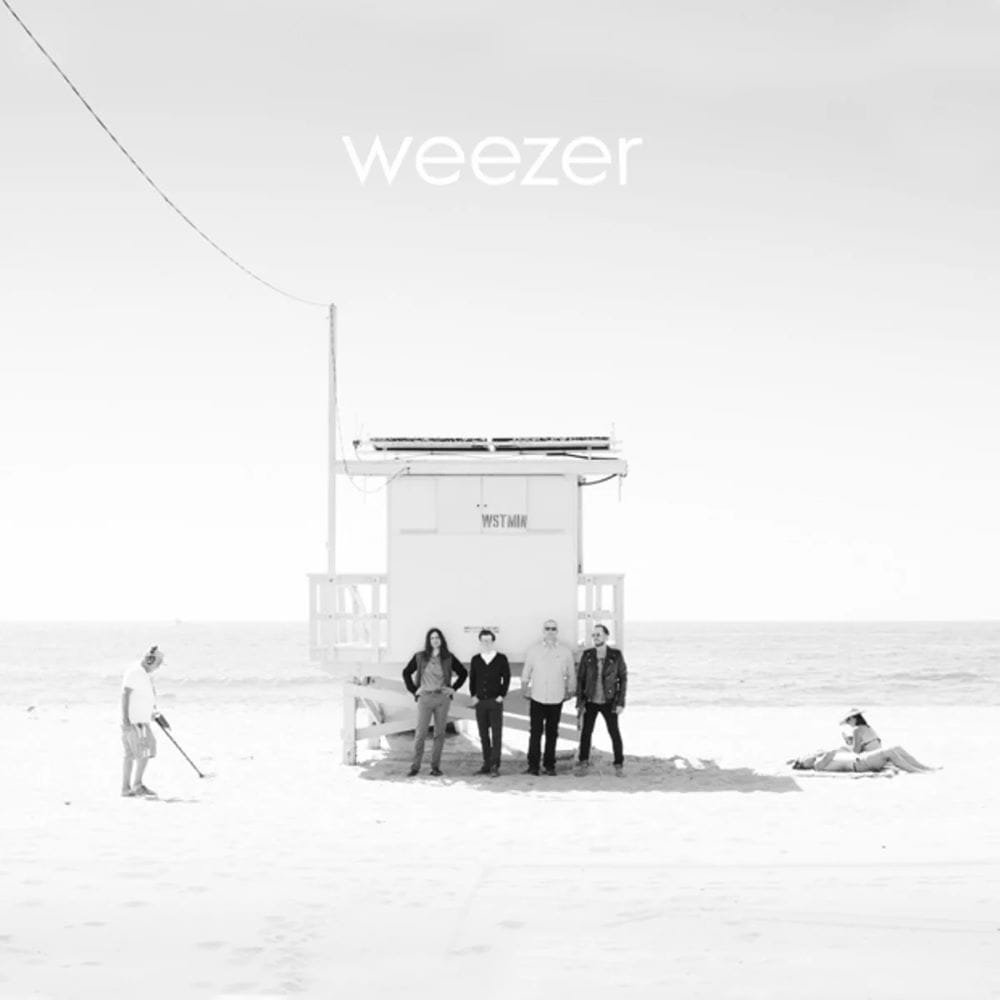
2. Pinkerton (1996)
Getting to this point in the feature feels liberating, if only because most people would agree on what the band’s two undisputed classics are. If any younger listeners who discovered the album recently are reading this, I’d be curious to hear how they respond to one of the defining examples of how a sophomore album can completely shock the system. Rather than rehashing Pinkerton’s musical merits, it’s more interesting to consider how it feels in the present day. Most older listeners inflate Weezer’s messy, complicated follow-up to The Blue Album without asking themselves if Cuomo’s deeply personal—and at times painfully embarrassing—songwriting still holds up. Going beyond mere vulnerability, his deep-seated longing—the self-sabotaging, the sexual fantasies, the empty hookups—endures because it taps into darker impulses that many people recognise in themselves but rarely admit out loud. It’s also really, really funny. And honestly, that wasn’t the most radical move to make in the irony-laden 90s. Of course, it helps that Pinkerton is all killer, no filler. Do I feel more comfortable listening to “Across the Sea” or “No Other One” with my headphones on? Sure. But I’d feel just as uncomfortable listening to the seemingly harmless “No One Else.” The negative reception to Pinkerton hit Cuomo so hard that he retreated into academia, where he began to approach songwriting more analytically. By then, Weezer had unfairly been reduced to a shadow of its former self. I don’t listen to this album as often as I’d probably admit, but every time I do, I’m reminded why this early offbeat pivot in their career remains so enduringly revered.
Favourite track: Tired of Sex
1. Weezer – The Blue Album (1994)
I’ve always felt conflicted about the idea of the “perfect” debut album. More often than not, artists don’t fully come into their own until later in their careers. Which is why it’s so remarkable how an unsung, dorky foursome living in Los Angeles not only caught the attention of Geffen Records, but also earned the trust of Ric Ocasek of the Cars, who helped transform their rough-hewn garage sound into a power pop masterpiece. As beloved as it remains, The Blue Album now feels like a distant snapshot of a version of Weezer that no longer exists. At the time, former bassist Matt Sharp was heavily involved in their decision-making, while founding member Jason Cropper had a hand in writing some of their most indelible songs (“My Name Is Jonas,” “In the Garage”), after all. But it was also a good-ol’ fashioned rock album that stood in stark contrast to the grunge movement, which was destined to begin its decline in the ensuing years. The Blue Album felt so complete, yet brimming with possibility, written at a time when they were ready to take on the world they thought had left them behind.
Favourite track: Undone - The Sweater Song (if you’re here for quintessentially weird Weezer). I said favourite, not best, which is Say It Ain’t So.
Look out for their upcoming 16th album, The Gold Album, on August 21st via Reprise/Warner Records Inc.
No Ripcord has published independent music criticism since 1999.
Support our work with a $20 annual subscription.
Comments ()