

Iceage, Brigitte Calls Me Baby and the Questions Music Journalists Won’t Ask
Iceage once faced intense scrutiny for provocative imagery. In 2026, similar questions often go unasked. The spark for this piece? Brigitte Calls Me Baby—and the band name music journalists mention, but rarely interrogate.
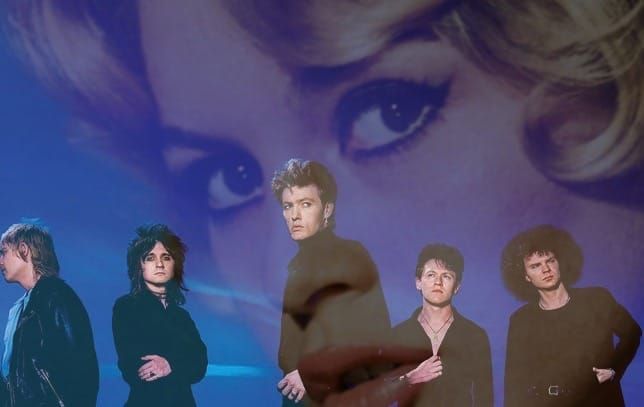
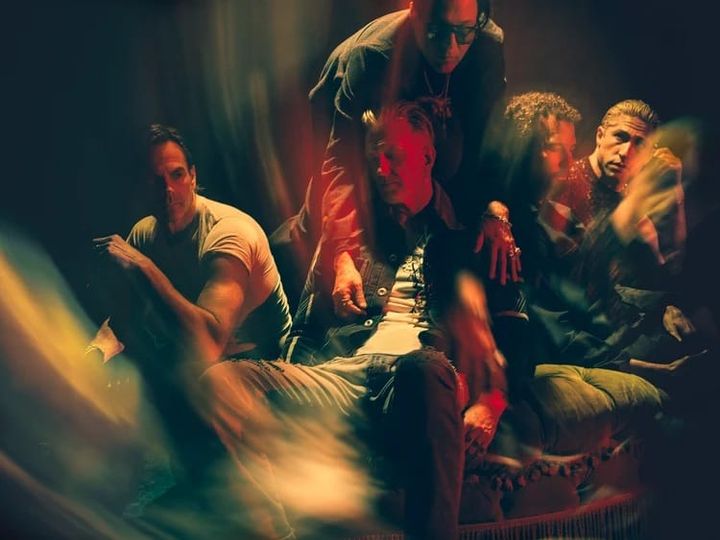
Earlier this month, Danish post-punks Iceage returned with a new single, “Star,” the first release since 2021’s Seek Shelter. Their return to the spotlight brought to mind the persistent allegations of flirting with fascist imagery that dogged the Copenhagen quintet in their early years. There was a time when every article on the band featured a new accusation—or a fresh denial. And looking back, while much of the criticism was sanctimonious and badly researched, it’s clear Iceage didn’t always help themselves.
The Danes were hardly the first artists to face such criticism. More than three decades earlier, Joy Division, who took their name from the sexual slavery wings of Nazi concentration camps, released their debut EP, An Ideal For Living. Its cover depicted a Hitler Youth drummer alongside the band’s name in a bold Gothic blackletter font. The Sex Pistols recorded the even more direct “Belsen Was A Gas” around the same time, of course. Earlier still, the Rolling Stones’ Brian Jones was photographed for a Danish magazine wearing a Nazi uniform. Compared to these provocations, Iceage’s choice of tattoos and pin badges, and the inclusion of hooded figures in a music video, seem comparatively ambiguous.
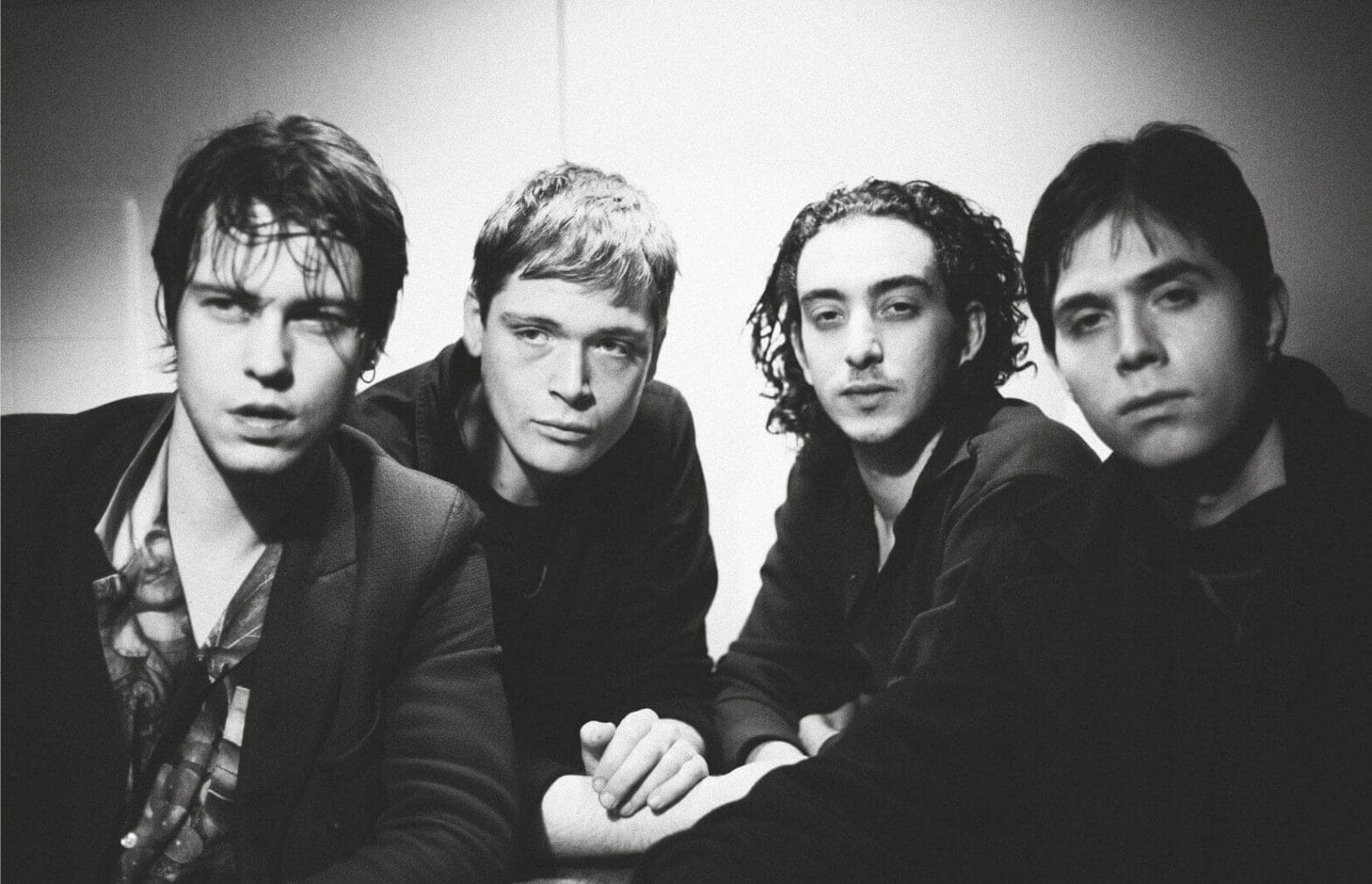
The world is a different place in 2026. Our polarised society feels much more prone to outrage—indeed, social media positively invites it—yet in the musical sphere, this outrage often seems to be selectively applied, with some questionable positions being roundly condemned and others being overlooked entirely.
Would Iceage have faced as much scrutiny if they had emerged in the current climate? I’m not necessarily convinced they would have.
While writers are happy to generate countless think pieces about the ethical shortcomings of Spotify—a fair, if now somewhat over-explored topic—you’re more likely to see artists describing their perfect Sundays than explaining vague references to the far-right in the brand of softball interviews that predominate. Serious criticism is reserved for safe targets or those who are considered fair game, which explains why Jack Harlow’s disastrous neo-soul pivot, Monica, and Morrissey’s Make-up is a Lie are the two lowest-rated albums of the year.
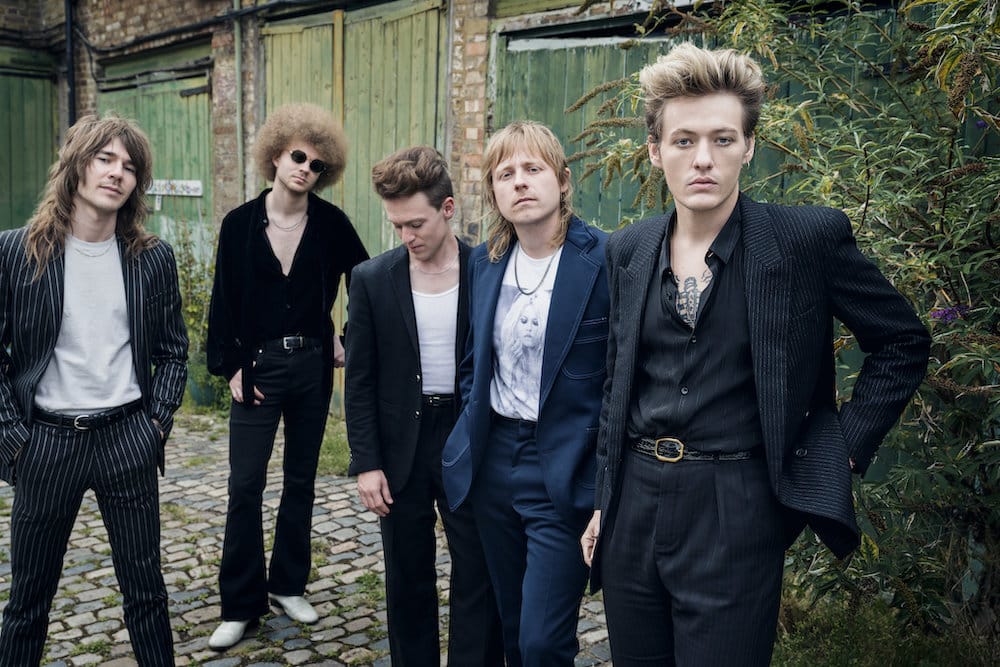
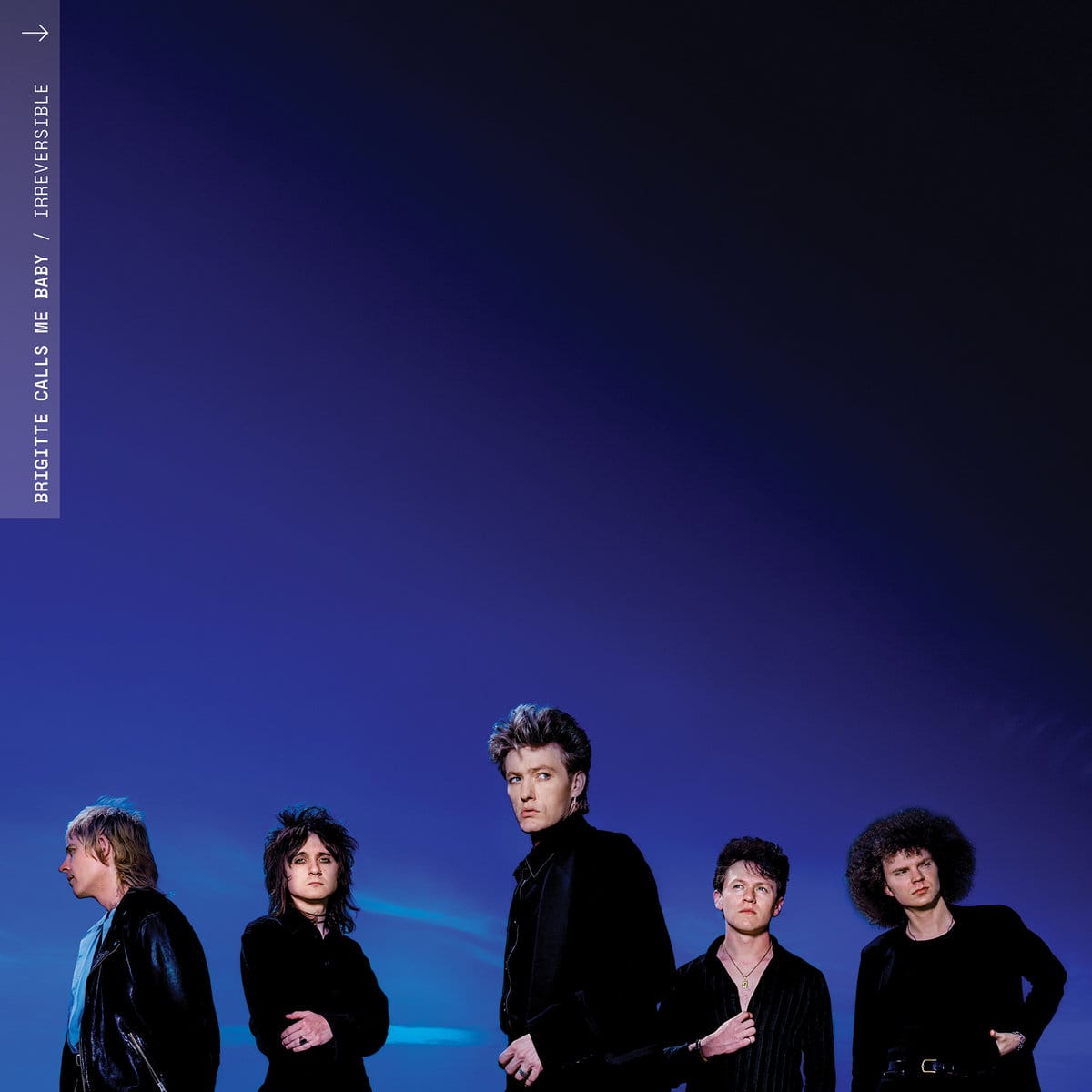
The spark for this feature came when I recently reviewed the latest release from Chicago’s Brigitte Calls Me Baby. The origin of the band’s moniker is frequently mentioned, but never questioned. Speaking to Minnesota public radio station The Current in 2024, singer Wes Leavins explained how it came about:
“In high school, there was an English project where we had to write to a notable person and essentially just spell things correctly. That was the assignment. And I wrote to Brigitte Bardot, and we sort of became light pen pals. We wrote back and forth a handful of times, and when it came time to need a name for the band, it just, I remember one night, it just hit. I thought, ‘Well, that’s interesting.’”
While Bardot is naturally remembered as an icon of French New Wave cinema, the controversy around her later years made her a politically charged figure, especially in her native France, where she was convicted five times for incitement to racial hatred. Seek out a European obituary and you’ll find it peppered with astonishing quotes. The Guardian reported that Bardot wrote: “Illegal immigrants … desecrate and storm our churches, transforming them into human pigsties, defecating behind the altar, urinating against the columns, spreading their nauseating stench beneath the sacred vaults of the choir.” She is also on record describing gay people as “fairground freaks” and was a fervent supporter of France’s far-right National Rally (formerly Front National) party.
Equally interesting was the band’s decision to open for Morrissey on a series of European dates. Morrissey’s support of the far-right For Britain party in 2019 and decision to describe Chinese people as “a subspecies” have made him a toxic figure in recent years, and it’s hard to imagine too many PR-conscious bands choosing to share a platform with the former Smiths man in 2026.
The likeliest explanation is aesthetic rather than ideological: Bardot still represents a certain kind of European glamour, and emerging bands do not always treat support slots as endorsements of a headliner’s politics.
I’m not suggesting for a moment that Leavins shares any of these sentiments, nor that he was even aware of Bardot’s drift to extremism when he entered into correspondence with her in his late teens. But that was at least a decade ago. Given that the band is content both to invoke Bardot’s mystique and to accept an invitation to support Morrissey, it’s surprising to me that they haven’t been asked to expand on the complexities involved in those associations. I contacted Brigitte Calls Me Baby’s label, ATO Records, to offer the band an opportunity to comment on these associations, but no response was received before publication.
Let me make something clear: I am not outraged. The band’s choices are their own and certainly don’t offend me. Whether the root of these choices is ignorance, indifference, aesthetics, or a wish to provoke, I am merely interested in the double standards at play and the inability of today’s music press, both grassroots and mainstream, to apply a proportionate challenge to the artists it writes about.
Iceage had the opportunity to justify their position, which they did in typically articulate fashion, and the world moved on. As far as I can see, Brigitte Calls Me Baby have not publicly addressed the associations they have chosen to invoke. In the long term, this serves no one well: artists’ intentions remain unclear; writers appear increasingly compromised by their need to maintain access; and readers, bored rigid by inane copy, are ultimately none the wiser.
Related Articles
 David Coleman
 Juan Edgardo Rodríguez
 No Ripcord
No Ripcord has been publishing thoughtful, independent music criticism since 1999—no hype, no algorithms, and free from industry agendas. The site is run by a small team and supported entirely by readers.
If you enjoy the kind of writing you’ve just read, please consider joining readers from around the world supporting our mission.
Supporters receive our Insider Monthly newsletter and help keep No Ripcord independent.
Comments ()