

The Clash’s Live Debut: Sheffield’s Punk Moment That Wasn’t
50 years ago today, The Clash played their first gig in Sheffield, supporting Sex Pistols. An outraged gig-goer claimed that “both bands were crap,” but what was the show really like? And what impact did it have on the city?
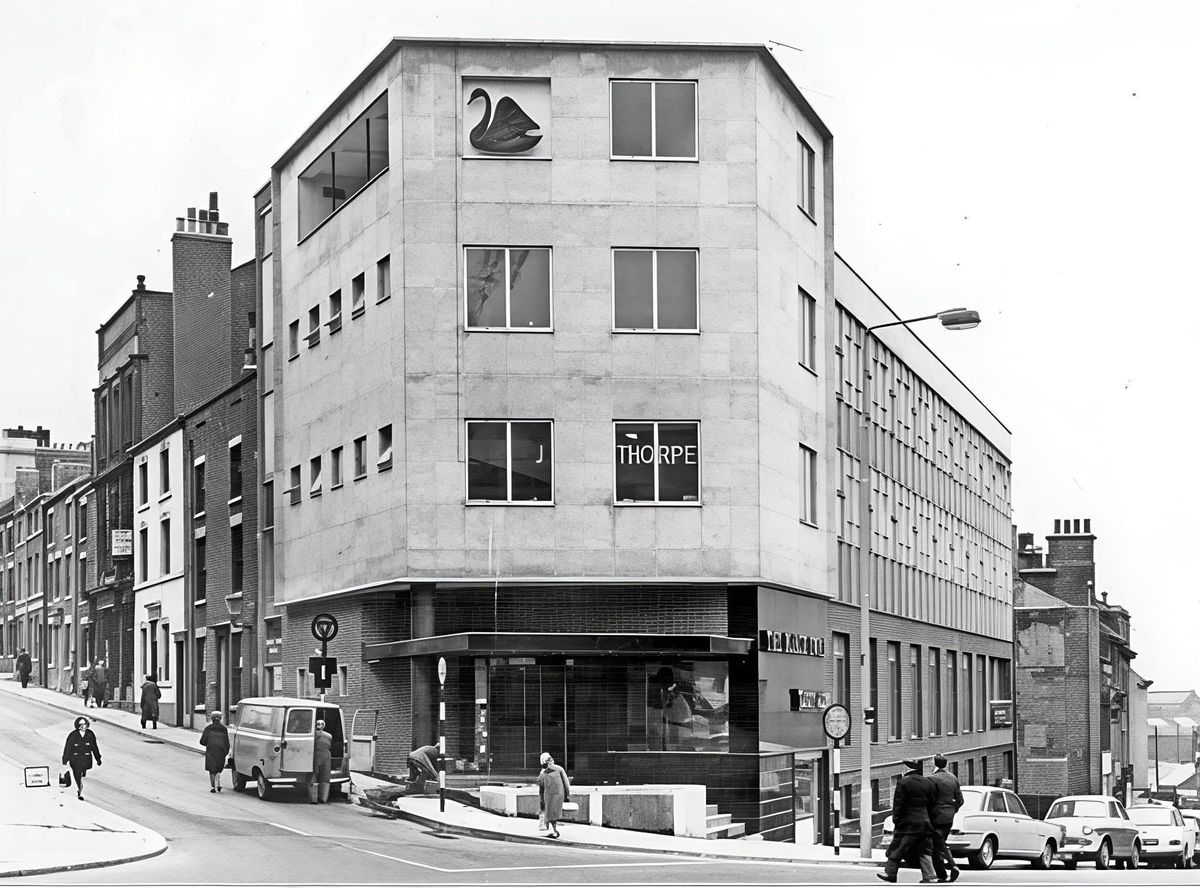
Exactly fifty years ago today, on 4 July 1976, seminal punk band the Clash played their very first show, supporting Sex Pistols at Sheffield venue The Black Swan, or ‘the Mucky Duck’ as it was affectionately known to locals.
This was only one month after Sex Pistols’ legendary Lesser Free Trade Hall gig in Manchester, where 40 people attended, but closer to 40,000 claim to have been there—with approximately half of those forming bands. But Sheffield’s punk double-header seemed to have significantly less impact on the fifty-strong crowd.
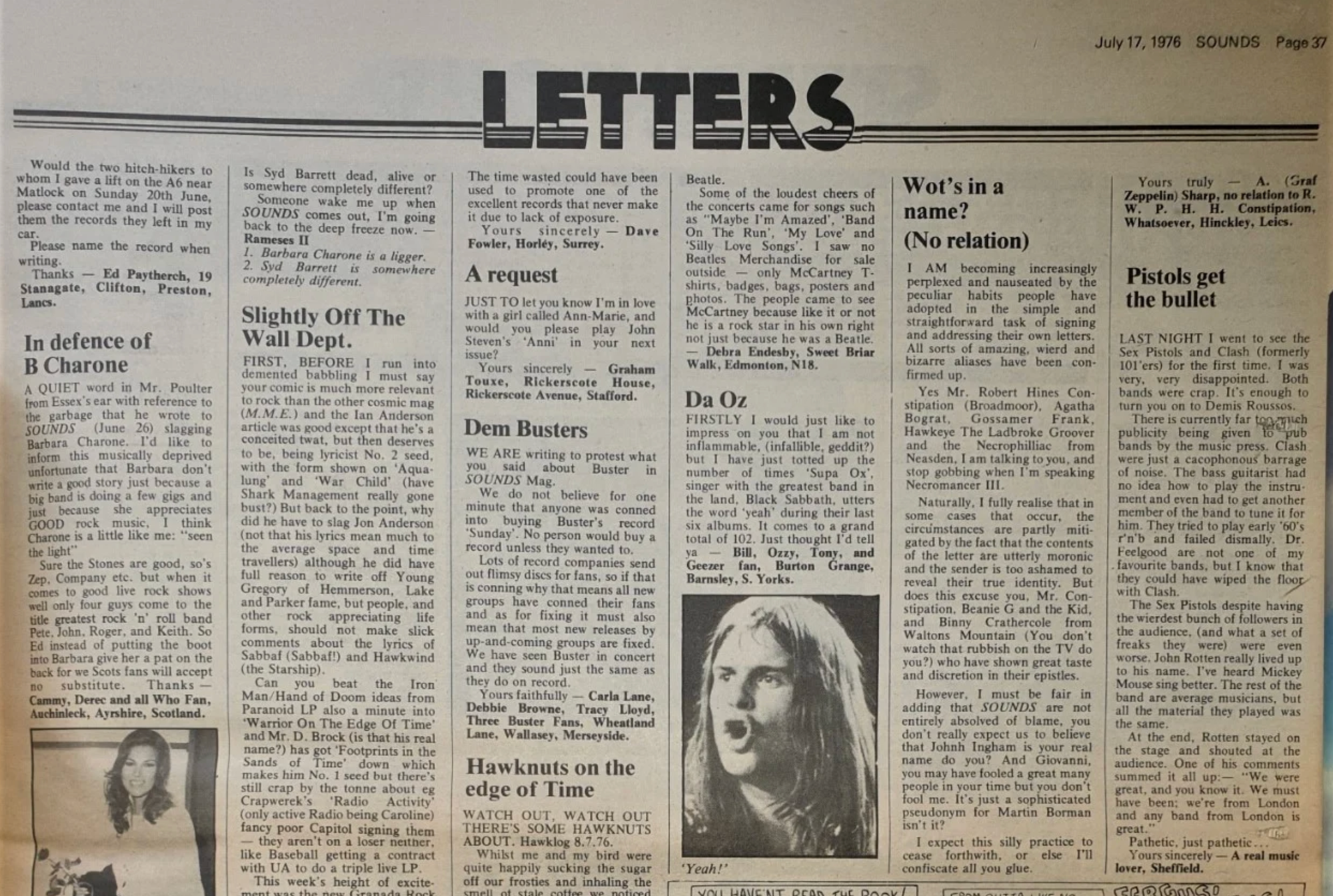
One attendee, Cabaret Voltaire’s Richard H Kirk, was evidently unimpressed by the headline act (“Rotten is a good performer, but I didn’t think much of the rest of the band”) while an anonymous observer wrote to the Sounds to voice their disdain for the Clash, branding the debutants “a cacophonous barrage of noise.” Their outraged account of the show is reproduced below, with thanks to the excellent Black Market Clash archive.
A more enamoured eyewitness, Nigel Lockwood, described the Clash’s show to Sheffield Star in 2022:
“It was a five-piece line-up which included Keith Levene on rhythm guitar, Paul Simonon on bass, Mick Jones on lead guitar, frontman Joe Strummer and a drummer whose identity remains a mystery. The Buzzcocks weren’t on the bill. It was just the Sex Pistols supported by the Clash. Everyone sat down for the entire gig and they performed for about 40 minutes.”
The Black Swan show was Paul Simonon’s first time on stage, and the inexperienced bassist was a clearly nervous participant, as he admitted in a 2003 BBC Radio London interview:
“The thing is that when you go on stage as long as you know what you’re doing then you’re fine, but I was still trying to learn my instrument. There’s the story of playing a particular song called “Listen” and it ascends the scales musically, and it gets to a point where I actually kept going when it’s supposed to stop and then kick in…and I didn’t know how to tune the guitar…But it was a good show, interesting people, and with the Pistols—it was great.”
Guitarist Mick Jones, recalling the show with fondness, acknowledged “We were still rough, still getting it together, but it felt urgent, like it mattered. We’d been waiting for this moment, and even if it was messy, the energy carried it.”
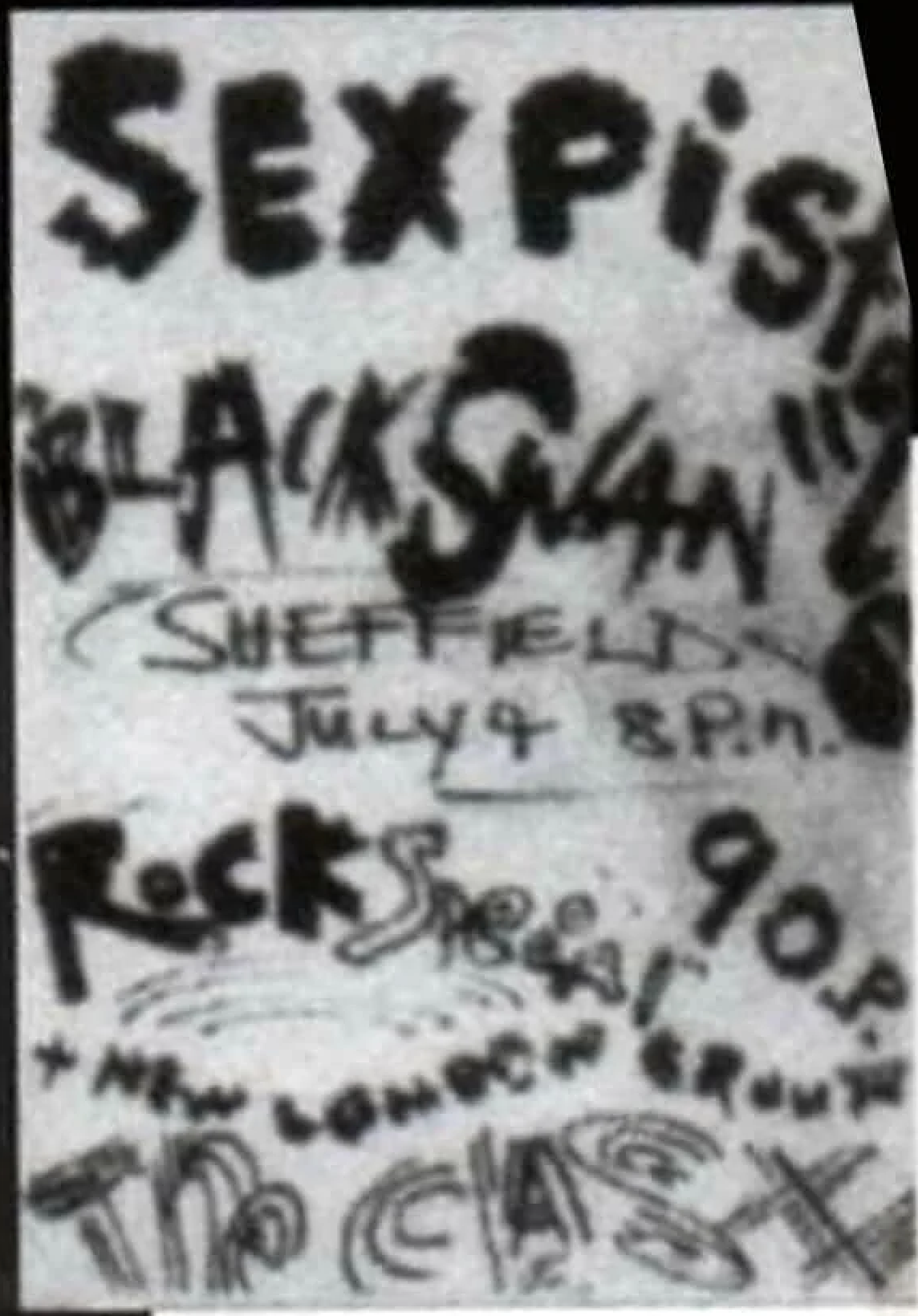
There are varying reports of what the Clash performed that night, but a mix of covers (Toots and the Maytals’ “Pressure Drop”), recycled songs from Joe Strummer’s pub rock band the 101ers (“Rabies (From the Dogs of Love)”), and originals (“Listen,” “Protex Blue”) seems to be the consensus view.
While the Clash and Sex Pistols both went on to become legendary names in popular music, their Sheffield show didn’t exactly trigger a punk uprising in South Yorkshire. In many ways, it was the city’s punk moment that wasn’t. But if the locals didn’t embrace the genre’s aesthetics in the way other regional cities evidently did, they were surely influenced by the DIY and outsider spirit of punk—the explosion of fascinating Sheffield bands in the post-punk period of the late ’70s and early ’80s is testament to that. And ultimately, isn’t that more punk than simply copying your heroes?
Related Articles
 David Coleman
No Ripcord has published independent music criticism since 1999.
Support our work with a $20 annual subscription.
Comments ()